Where Tradition Meets Modernity: The Evolution of Timeless Furniture Design
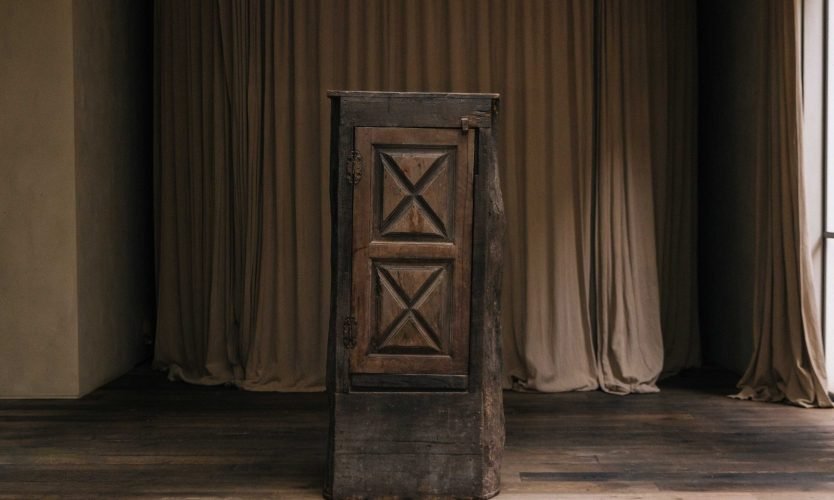
Furniture has never been simply about filling an empty room. The right piece can introduce warmth, character, history, and artistic expression while serving a practical purpose. Across different cultures and generations, designers have developed furniture that reflects the materials, lifestyles, and values of their time. Today, these influences continue to shape sophisticated interiors, bringing together Folk art, Vernacular traditions, Rural craftsmanship, Alpine Design, and Rustic Furniture with modern design movements.
The story begins with traditional craftsmanship. Folk art is closely connected to cultural identity, with handmade objects often carrying techniques passed from one generation to another. Vernacular furniture develops in a similar way, responding to local resources and everyday requirements. These designs are rarely created simply to follow fashion. Instead, they are practical, authentic, and deeply connected to their surroundings. This is one reason Rural furniture continues to inspire contemporary designers.
The natural character of materials is particularly important in Rustic Furniture. Wood with visible grain, hand-finished surfaces, sturdy proportions, and simple construction can create interiors that feel comfortable and genuine. Alpine Design adds another layer to this philosophy, traditionally using timber and durable materials suited to mountain environments. Its combination of practicality and warmth makes it an appealing source of inspiration for modern homes.
This appreciation of natural character can also be understood through Wabi Sabi. Rather than seeking absolute perfection, Wabi Sabi recognizes beauty in simplicity, irregularity, and the passage of time. In furniture, a small knot in timber, an uneven texture, or a naturally aged surface can become a feature instead of a defect. This philosophy encourages consumers to choose pieces with character and longevity.
European design history offers a fascinating contrast of styles. Dom Hans van der Laan explored architectural proportion and order, demonstrating how disciplined forms can create a calm and harmonious environment. His approach shows that minimalism can possess depth when every dimension and relationship is carefully considered.
The Amsterdamse School developed a very different visual language. Its expressive shapes and detailed craftsmanship demonstrate how furniture and architecture can become highly artistic. This movement reminds us that interiors do not have to be purely functional; they can also communicate creativity and cultural identity.
The emergence of Art Deco further expanded the decorative possibilities of furniture. Strong geometric forms, symmetry, luxurious materials, and carefully considered details created an unmistakable sense of elegance. While Art Deco may seem far removed from Rural and Vernacular furniture, both approaches demonstrate the importance of creating objects with a distinctive visual identity.
The twentieth century introduced another influential philosophy through Mid-Century Design. Designers increasingly focused on clean silhouettes, comfort, efficient production, and practical living. This movement helped establish the concept of Functional Art, where a useful object could also have artistic and sculptural value.
The furniture of Pierre Chapo demonstrates how traditional materials can support modern design. His substantial wooden pieces celebrate the strength, texture, and individuality of timber. Instead of treating wood as merely a construction material, Chapo made it central to the visual and structural identity of his work.
Charlotte Perriand took a broader approach to modern living, exploring the connection between furniture, architecture, and everyday human experience. Her work demonstrated that furniture should respond to how people actually live while maintaining clarity and elegance.
Engineering and industrial production also transformed furniture design. Jean Prouvé combined structural thinking with manufacturing expertise, creating furniture in which construction became an important part of the aesthetic. His work remains influential because it demonstrates how industrial methods can produce objects with clarity, durability, and personality.
Italian design brought further experimentation. Afra & Tobia Scarpa explored materials, construction, comfort, and innovative production techniques. Their work demonstrated that modern furniture could be technically sophisticated while remaining inviting and practical.
Another important figure, Mario Bellini, became known for expressive furniture that combined strong visual forms with everyday usability. The Camaleonda sofa is an excellent example of this philosophy. Its modular structure allows different configurations, giving users flexibility while maintaining a distinctive sculptural appearance.
The influence of Brazilian Design adds a rich international dimension to this history. Brazilian furniture often incorporates natural woods, organic silhouettes, and a strong connection to the country’s landscape. This relationship between material and environment produces pieces that can feel both relaxed and refined.
The work of Nakashima provides another compelling example of material-focused design. His furniture celebrates the individuality of wood, allowing natural grain, knots, and organic edges to remain visible. This approach encourages a deeper appreciation of craftsmanship and reminds us that natural variation can make each piece unique.
In contemporary interiors, these different traditions can work together surprisingly well. A room inspired by Alpine Design can include modern seating, while Rustic Furniture can be balanced with refined lighting and minimalist architecture. A sculptural piece inspired by Mid-Century Design can sit comfortably beside a handcrafted wooden table influenced by Wabi Sabi. The key is not to reproduce a historical style exactly but to understand the principles behind it.
At goldwoodbyboris, this approach to furniture highlights the value of combining craftsmanship, natural materials, and timeless design. Instead of creating spaces based entirely on passing trends, homeowners can select pieces that have lasting visual and functional appeal.
The continued influence of Pierre Chapo, Charlotte Perriand, Jean Prouvé, Afra & Tobia Scarpa, Mario Bellini, and Nakashima proves that exceptional furniture can transcend its original era. Their designs remain relevant because they address fundamental questions about material, structure, comfort, and human interaction.
Ultimately, timeless furniture is created when aesthetics and purpose are treated as partners. Folk art brings cultural storytelling, Vernacular design brings local authenticity, Wabi Sabi brings appreciation for imperfection, and Functional Art brings purpose into the artistic experience. Together, these ideas provide a powerful foundation for modern interiors.
The future of furniture design will likely continue to blend heritage with innovation. As people seek more meaningful and durable objects, craftsmanship and authenticity will remain valuable. Whether inspired by Art Deco, Brazilian Design, Rural traditions, or modern icons such as the Camaleonda, the best furniture has one thing in common: it improves the way a space feels while becoming part of the story of the people who live there.