
Enhancing Industrial Efficiency with Stainless Steel Condenser Tubes and Sanitary Pipe Fittings
In the modern industrial landscape, efficiency, hygiene, and durability are no longer optional—they are essential. Whether it’s in chemical processing, food and beverage manufacturing, pharmaceuticals, or HVAC systems, the right components ensure smooth operations, reduced maintenance, and compliance with safety standards. Two products that play a pivotal role in achieving this are stainless steel condenser tubes and sanitary pipe fittings. These components may seem simple at first glance, but they are critical to maintaining operational excellence and ensuring long-term reliability.
The Role of Stainless Steel Condenser Tubes
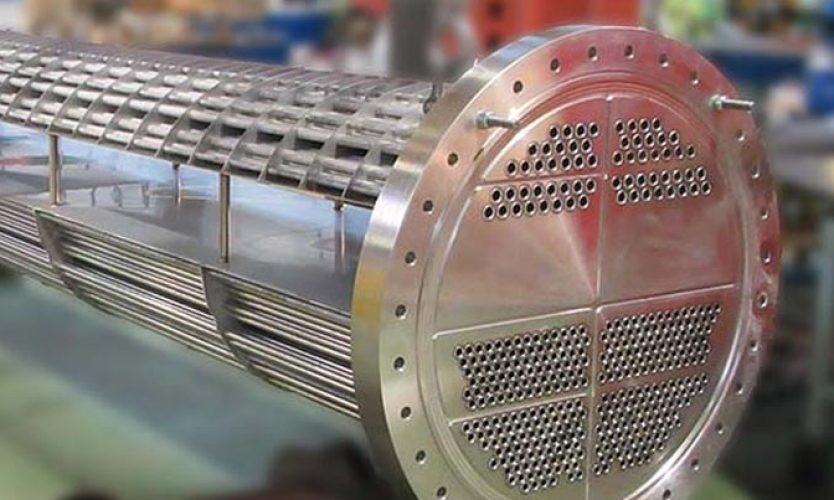
Stainless steel condenser tube are vital in heat exchanger systems. They facilitate the transfer of heat from one medium to another, a process central to cooling, condensing, and refrigeration applications. The choice of material for condenser tubes is crucial because these components are constantly exposed to high temperatures, pressure variations, and sometimes corrosive substances. Stainless steel emerges as the material of choice due to its excellent corrosion resistance, high tensile strength, and ability to withstand extreme temperatures.
One of the most significant advantages of stainless steel condenser tubes is their durability. In industries like power generation or chemical processing, tubes that degrade quickly can lead to frequent shutdowns, costly repairs, and operational inefficiencies. Stainless steel tubes, however, provide consistent performance over a long period, reducing the total cost of ownership. Additionally, their smooth surface minimizes fouling, ensuring efficient heat transfer and lower energy consumption.
Corrosion resistance is another key factor. Condenser tubes often come into contact with water, steam, or chemicals that can accelerate metal degradation. Stainless steel, particularly grades like 304 and 316, resists pitting, scaling, and rusting, making it an ideal choice for both freshwater and seawater applications. This resistance not only enhances durability but also helps maintain the purity of the fluids passing through the system—a crucial consideration in food processing and pharmaceutical applications.
Importance of Sanitary Pipe Fittings in Industry
While condenser tubes manage heat efficiently, fluid transport within a system requires components that maintain hygiene, prevent leaks, and ensure ease of maintenance. This is where sanitary pipe fittings come into play. Designed for applications where cleanliness is paramount, these fittings are widely used in food, beverage, dairy, and pharmaceutical industries. They provide leak-proof connections while preventing bacterial growth and contamination.
Sanitary pipe fittings are typically made from high-grade stainless steel, offering the same corrosion resistance and durability as condenser tubes. They come in a variety of configurations—elbows, tees, reducers, and clamps—allowing engineers to design fluid pathways that meet precise specifications. Their smooth internal surfaces prevent fluid stagnation, reducing the risk of contamination and ensuring compliance with stringent hygiene standards.
One of the standout features of sanitary pipe fittings is their ease of assembly and maintenance. Many fittings employ a tri-clamp or weldless design, allowing for quick disassembly, cleaning, and reassembly. In industries like breweries or pharmaceutical production, where cleaning cycles are frequent, this feature significantly reduces downtime and labor costs.
Synergy Between Stainless Steel Condenser Tubes and Sanitary Pipe Fittings
Although stainless steel condenser tubes and sanitary pipe fittings serve different functions, their combined use ensures optimal system performance. In a typical cooling or processing plant, condenser tubes transfer heat while sanitary fittings manage the flow of fluids. Both components benefit from stainless steel’s strength, corrosion resistance, and hygienic properties, resulting in systems that are both efficient and reliable.
For instance, in a dairy processing plant, milk and other liquids must be cooled quickly without contamination. Stainless steel condenser tubes in the heat exchanger manage temperature control, while sanitary pipe fittings ensure that the liquid flows through the system without exposure to external contaminants. This combination not only enhances productivity but also safeguards product quality—a top priority for any food or pharmaceutical business.
Choosing the Right Supplier
Selecting the right supplier for stainless steel condenser tubes and sanitary pipe fittings is critical. Reliable suppliers provide products that meet international standards, offer custom solutions, and support quality certifications such as ISO or ASME. Working with a trusted supplier ensures that your systems remain compliant, efficient, and durable over time.
Modern suppliers also understand the importance of customization. Depending on your industry, operational pressures, or environmental conditions, you may require specific tube diameters, wall thicknesses, or fitting types. A supplier with technical expertise can provide tailored solutions, helping you optimize performance while reducing operational risks.
Conclusion
In summary, the combination of stainless steel condenser tubes and sanitary pipe fittings is indispensable in industries where efficiency, hygiene, and durability are crucial. Stainless steel condenser tubes provide exceptional heat transfer performance and resistance to corrosion, while sanitary pipe fittings ensure leak-free, hygienic fluid handling. Together, they form the backbone of modern industrial systems, driving productivity, compliance, and long-term reliability.
Investing in high-quality stainless steel components is not merely a technical choice—it is a strategic decision that safeguards operations, enhances product quality, and reduces maintenance costs. As industries evolve and standards become stricter, these components will remain fundamental to achieving industrial excellence.