Forged Fittings Suppliers: Understanding Strength, Durability & Pressure Rating
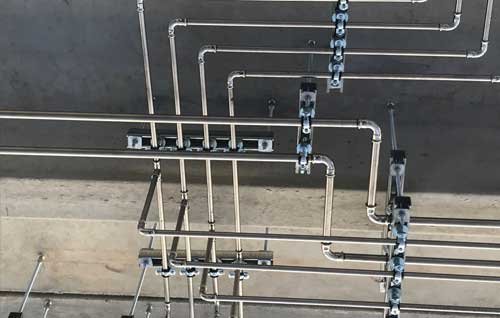
In high-pressure piping systems, even the smallest component plays a critical role. While pipes often receive the most attention, forged fittings are equally essential. They connect, redirect, and control flow under extreme temperature and pressure conditions. Therefore, choosing the right forged fittings suppliers is not just a procurement decision—it is a safety decision.
Industries such as oil & gas, petrochemical, power generation, and water treatment rely on forged fittings for leak-proof, long-lasting performance. In this guide, we explore how forging enhances strength, why pressure rating matters, and what to look for when selecting trusted forged fittings suppliers.
What Are Forged Fittings?
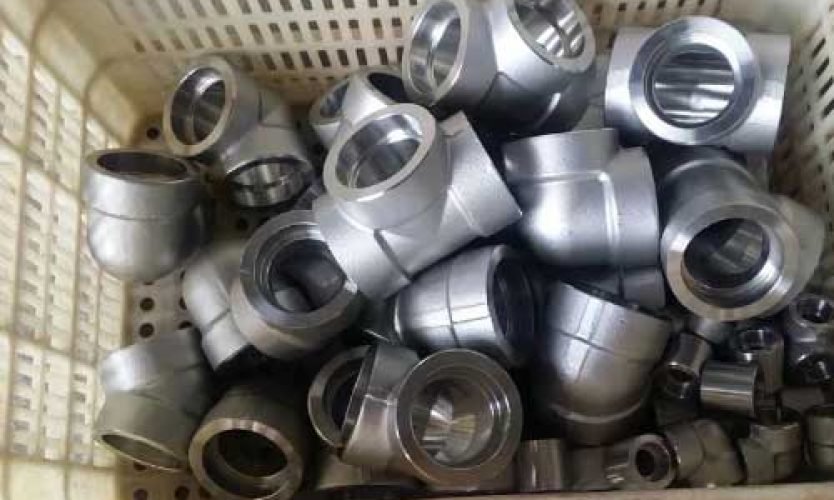
Forged fittings are pipe fittings manufactured by shaping metal under high pressure. Unlike cast fittings, forged fittings are formed from solid metal billets that are compressed and shaped into elbows, tees, couplings, unions, and other components.
Because the metal grain structure remains continuous during forging, the final product becomes stronger and more durable.
Common types include:
- Socket weld fittings
- Threaded fittings
- Elbows (45° and 90°)
- Tees and crosses
- Couplings and caps
Why Forging Increases Strength and Reliability
Forging significantly enhances mechanical properties. As a result, forged fittings are widely preferred in demanding applications.
1. Improved Grain Structure
During the forging process, the metal’s grain flow aligns with the shape of the fitting. Consequently, this improves:
- Tensile strength
- Impact resistance
- Fatigue resistance
This structural integrity makes forged fittings more reliable under high stress.
2. Higher Load-Bearing Capacity
Compared to cast alternatives, forged fittings can withstand greater pressure and mechanical loads. Therefore, industries operating under extreme pressure rely on forged solutions for added safety.
3. Reduced Risk of Defects
Forging minimizes internal voids and porosity. In contrast, casting may introduce air pockets that weaken the structure. Reliable forged fittings suppliers ensure strict quality control to prevent such defects.
Understanding Pressure Rating in Forged Fittings
Pressure rating defines how much pressure a fitting can safely handle at a given temperature. It is typically classified according to standards such as:
- Class 2000
- Class 3000
- Class 6000
- Class 9000
Higher class numbers indicate higher pressure capacity.
However, pressure rating also depends on:
- Material grade
- Wall thickness
- Operating temperature
- Type of connection (socket weld or threaded)
Therefore, selecting the appropriate class is essential to prevent system failure.
Materials Commonly Used in Forged Fittings
Different industries require different material grades. Experienced forged fittings suppliers offer a wide range of options.
Carbon Steel
- Strong and cost-effective
- Suitable for moderate pressure systems
- Common in oil and gas pipelines
Stainless Steel
- Excellent corrosion resistance
- Ideal for chemical and marine applications
- Long service life
Alloy Steel
- Enhanced high-temperature performance
- Increased strength under pressure
- Used in power plants and refineries
Material selection directly affects durability and safety. Therefore, supplier expertise becomes extremely valuable during project planning.
Applications of Forged Fittings in High-Pressure Industries
Forged fittings are used in systems where failure is not an option.
Oil & Gas Industry
- High-pressure transmission lines
- Refinery piping systems
- Offshore platforms
Power Generation
- Steam lines
- Boiler connections
- High-temperature pipelines
Chemical Processing
- Corrosive fluid transport
- Pressure vessel connections
- Hazardous material handling
In each of these industries, dependable forged fittings suppliers provide materials that meet strict compliance and testing standards.
Key Qualities to Look for in Forged Fittings Suppliers
Choosing the right supplier ensures long-term system performance. Therefore, it is important to evaluate suppliers carefully.
1. Compliance with International Standards
Reputable forged fittings suppliers follow recognized standards such as:
- ASTM
- ASME
- MSS
- ISO
They also provide mill test certificates and traceability documentation.
2. Strict Quality Control
Quality assurance procedures should include:
- Hydrostatic testing
- Ultrasonic testing
- Dimensional inspection
- Surface finishing checks
These inspections guarantee structural integrity before delivery.
3. Wide Product Range
A reliable supplier should offer:
- Multiple pressure classes
- Various material grades
- Different end connections
- Custom manufacturing options
This flexibility helps project managers meet specific engineering requirements.
4. Technical Expertise
Forged fittings must match system design parameters. Experienced forged fittings suppliers provide technical guidance on:
- Pressure class selection
- Material compatibility
- Corrosion resistance
- Temperature limitations
This expertise reduces costly errors and downtime.
Durability and Long-Term Performance
Durability depends on material quality, manufacturing process, and proper installation. When sourced from trusted forged fittings suppliers, forged fittings offer:
- Long operational lifespan
- Low maintenance requirements
- Resistance to cracking and deformation
- Enhanced safety in critical systems
Additionally, high-quality fittings minimize leakage risk, which protects both personnel and equipment.
Avoiding Common Mistakes When Selecting Forged Fittings
Although forged fittings are durable, poor selection can cause serious problems.
Avoid these mistakes:
- Choosing lower pressure class than required
- Ignoring material compatibility
- Skipping certification verification
- Selecting suppliers without quality documentation
Instead, work with experienced forged fittings suppliers who prioritize safety, compliance, and performance.
The Role of Forged Fittings in System Safety
In high-pressure systems, a single failure can cause operational shutdown or environmental damage. Therefore, system integrity depends on strong connections.
Forged fittings provide:
- Leak-proof performance
- Superior mechanical strength
- Stable operation under thermal expansion
- Reliable performance in harsh environments
When properly selected and installed, they enhance overall piping system safety.
Conclusion: Choosing Strength, Safety, and Reliability
Forged fittings are small components with significant responsibility. They connect critical piping systems that transport oil, gas, steam, chemicals, and water under extreme conditions.
Therefore, partnering with experienced forged fittings suppliers ensures access to certified materials, accurate pressure ratings, and dependable durability. By focusing on strength, compliance, and technical support, you safeguard your project from avoidable risks.
If you are planning a high-pressure piping project, consult with a trusted supplier who understands industry standards and delivers proven quality. Visit pipingmaterial.sa today to explore high-performance forged fittings designed for demanding industrial environments.
Frequently Asked Questions (FAQ)
1. Why are forged fittings suppliers important for high-pressure systems?
Forged fittings suppliers provide certified products that meet strict pressure and temperature standards, ensuring safety and durability.
2. What is the difference between forged and cast fittings?
Forged fittings are made by compressing solid metal, resulting in stronger grain structure and higher pressure resistance compared to cast fittings.
3. How do I select the right pressure class from forged fittings suppliers?
Pressure class selection depends on operating pressure, temperature, and material grade. Always consult technical specifications before purchase.
4. Do forged fittings suppliers provide material certification?
Yes, reputable suppliers provide mill test certificates, chemical composition reports, and inspection documentation.
5. Which industries rely most on forged fittings suppliers?
Oil & gas, petrochemical, power generation, and chemical processing industries depend heavily on high-quality forged fittings.