
Which Dental Diagnostic Services Use Advanced Technology?
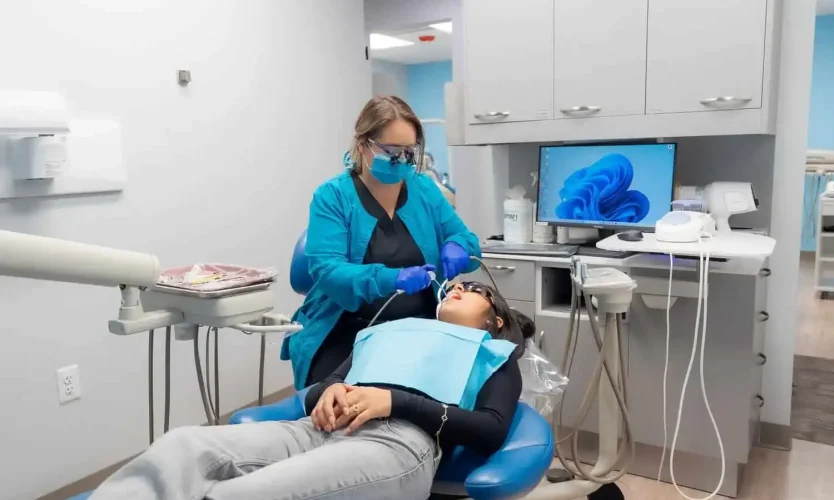
Early detection and accurate diagnosis of dental problems are critical for maintaining optimal oral health. But which dental diagnostic services use advanced technology to provide precise results? In this article, we explore the cutting-edge tools and techniques that leading dental professionals employ, ensuring patients receive the best care possible. Smile Partners USA incorporates these innovations into their clinics to offer top-tier dental solutions.
How Do Digital X-Rays Improve Dental Diagnostics?
Digital X-rays are a cornerstone of modern dental diagnostic services. Unlike traditional film X-rays, digital X-rays produce images almost instantly and at a fraction of the radiation exposure. This technology allows leading dental professionals to detect cavities, bone loss, impacted teeth, and infections earlier than ever before.
With high-resolution images, dentists can zoom in and adjust contrast for a detailed view of teeth and surrounding structures. Clinics like Smile Partners USA leverage these digital tools to enhance treatment planning, providing patients with personalized care backed by accurate imaging.
What Role Does Intraoral Scanning Play in Diagnostics?
Intraoral scanners have revolutionized how dentists examine teeth. These devices create 3D digital impressions of the mouth, eliminating the need for uncomfortable traditional molds. Through precise scanning, dental diagnostic services can identify issues like tooth misalignment, worn enamel, and gum recession with remarkable accuracy.
Leading dental professionals utilize intraoral scanning not only for diagnostics but also for treatment planning in orthodontics, prosthetics, and cosmetic procedures. This technology ensures that interventions are more accurate, faster, and tailored to each patient’s needs.
How Does Cone Beam Computed Tomography (CBCT) Enhance Dental Diagnostics?
Cone Beam Computed Tomography (CBCT) is one of the most advanced imaging technologies in dentistry today. It produces 3D images of teeth, soft tissues, nerve pathways, and bone, providing a comprehensive view that traditional X-rays cannot achieve.
For dental diagnostic services, CBCT is essential for evaluating complex cases, including dental implants, root canal treatments, and jaw surgeries. Leading dental professionals rely on this technology to minimize risks and optimize treatment outcomes. By using CBCT, clinics like Smile Partners USA offer a level of precision that significantly improves patient confidence and safety.
Which Diagnostic Services Use Laser Technology?
Laser dentistry has emerged as a powerful tool in diagnostics. Lasers can detect cavities, plaque, and early gum disease by scanning teeth and gums without causing discomfort. This non-invasive method allows dental diagnostic services to identify problems before they escalate.
Additionally, laser technology supports precise treatments, reducing the need for invasive procedures. Patients benefit from quicker recovery times and less discomfort, making laser diagnostics a preferred choice for leading dental professional seeking innovative solutions.
How Are Artificial Intelligence Tools Shaping Dental Diagnostics?
Artificial Intelligence (AI) is rapidly transforming the landscape of dental diagnostic services. AI-powered software analyzes X-rays, intraoral scans, and CBCT images to detect anomalies that might be overlooked by the human eye.
Leading dental professionals integrate AI algorithms into their workflow to enhance diagnostic accuracy. For example, AI can identify early signs of cavities, periodontal disease, and even oral cancer. This technology allows dentists to intervene early, improving patient outcomes and ensuring preventive care is prioritized.
What Advantages Do Tele-Dentistry Diagnostics Offer?
Tele-dentistry has become an important extension of advanced dental diagnostic services. Using high-resolution images and video consultations, dentists can assess oral health remotely, providing timely advice and preliminary diagnoses.
Leading dental professionals use tele-dentistry to monitor ongoing treatment, educate patients, and schedule in-person visits when necessary. This technology is particularly beneficial for patients in remote areas or those seeking convenient follow-ups, ensuring that advanced diagnostics are accessible to all.
Why Is Periodontal Diagnostic Technology Important?
Periodontal health is crucial for overall oral wellness, and advanced diagnostics have made early detection easier. Tools like digital periodontal probes, gingival scanners, and AI-assisted software allow dental diagnostic services to detect gum disease at its earliest stages.
Leading dental professionals use these technologies to develop targeted treatment plans that prevent tooth loss and support long-term oral health. By monitoring changes over time, clinics like Smile Partners USA ensure patients maintain healthy gums and prevent future complications.
How Do Saliva and Biomarker Tests Contribute to Dental Diagnostics?
Emerging diagnostic technologies now include saliva analysis and biomarker testing. These tests detect bacteria, viral infections, and inflammation markers, offering a more comprehensive understanding of a patient’s oral health.
For dental diagnostic services, biomarker testing complements imaging technologies, providing a holistic approach to early disease detection. Leading dental professionals use these tests to identify risks before symptoms appear, allowing for preventive interventions and personalized care.
How Are 3D Printing Technologies Supporting Dental Diagnostics?
3D printing technology has expanded beyond treatment into diagnostics. Dental models, surgical guides, and orthodontic planning tools can now be produced directly from intraoral scans and CBCT data.
This integration allows dental diagnostic services to simulate procedures, plan interventions precisely, and visualize outcomes before treatment begins. Leading dental professionals benefit from this technology by reducing errors, saving time, and enhancing patient understanding of their treatment plans.
Why Are Advanced Dental Labs Essential for Diagnostics?
High-tech dental labs play a crucial role in advanced diagnostics. By using CAD/CAM systems, labs can create precise models, crowns, and aligners based on digital scans. These labs collaborate with dental diagnostic services to ensure that treatments are customized and accurate.
Leading dental professionals rely on this synergy between technology and lab expertise to provide patients with effective, efficient, and comfortable care.
Conclusion: Are Advanced Technologies Shaping the Future of Dental Diagnostics?
Absolutely. The integration of digital X-rays, CBCT, AI, laser tools, intraoral scanners, biomarker testing, and 3D printing is transforming dental diagnostic services. Patients benefit from earlier detection, precise treatment planning, and less invasive procedures.
Leading dental professionals are committed to adopting these innovations, ensuring that oral health care is accurate, efficient, and patient-friendly. Clinics like Smile Partners USA exemplify this approach, combining technology with expertise to deliver exceptional dental care.
For anyone seeking state-of-the-art diagnostics and treatment, choosing a clinic that leverages advanced technology is key to maintaining long-term oral health.