What Is the Procedure for Getting a Dental Bridge?
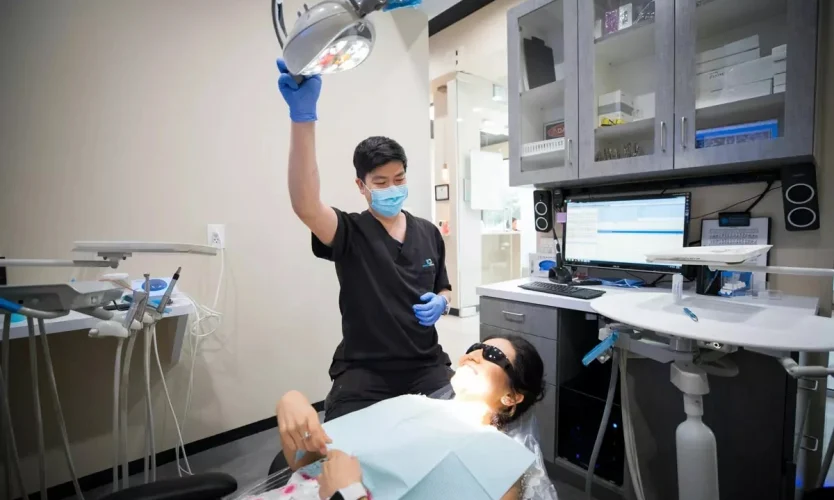
A dentist bridge procedure always begins with an initial consultation. During this visit, the dentist examines your oral health, checks the condition of the surrounding teeth, and confirms whether a dentist bridge is the right solution for your missing tooth or teeth.
The dentist may take X-rays or digital scans to evaluate the strength of your jawbone and adjacent teeth. This step is important because a dental bridge relies on the support of neighboring teeth, called abutment teeth. If these teeth are weak or damaged, the dentist may recommend additional treatment before proceeding.
At this stage, a treatment plan is created. The dentist explains the type of bridge suitable for you, the estimated timeline, and the expected cost. Clinics like Edge Dental ensure that patients fully understand every step before moving forward.
How Are Teeth Prepared for a dentist bridge?
Once you agree to the treatment plan, the next step is preparing the supporting teeth. The dentist reshapes the abutment teeth on either side of the gap. This is done to make space for crowns that will hold the bridge securely in place.
Local anesthesia is usually used to ensure comfort during the procedure. The preparation process involves removing a small portion of enamel from the supporting teeth. Although this sounds intense, it is a standard and safe step in getting a dentist bridge.
After shaping the teeth, the dentist takes precise impressions or digital scans of your mouth. These impressions are sent to a dental laboratory, where your custom bridge is designed and created. This ensures a perfect fit and natural appearance.
What Is a Temporary Bridge and Why Is It Needed?
While your permanent bridge is being manufactured, your dentist will place a temporary bridge. This temporary structure protects your exposed teeth and gums.
A temporary dentist bridge helps you maintain normal function, allowing you to eat and speak comfortably. It also prevents the surrounding teeth from shifting out of place.
Although temporary bridges are not as strong as permanent ones, they play a crucial role in maintaining oral health during the waiting period. Clinics such as Edge Dental carefully design temporary bridges to ensure comfort and appearance until the final restoration is ready.
How Is the Permanent dentist bridge Created in the Lab?
The dental laboratory plays a major role in the success of your treatment. Using the impressions taken earlier, skilled technicians craft your permanent bridge.
A dentist bridge typically consists of two crowns and a false tooth (called a pontic) in between. The materials used may include porcelain, ceramic, metal alloys, or a combination of these, depending on strength and cosmetic requirements.
The lab carefully matches the color of the bridge to your natural teeth. This ensures that the final result blends seamlessly with your smile. Precision is essential here because even a slight mismatch can affect comfort and appearance.
What Happens During the Final Fitting of a dentist bridge?
Once your permanent bridge is ready, you will return to the dental clinic for fitting. The dentist first removes the temporary bridge and cleans the area thoroughly.
The new dentist bridge is then placed to check fit, bite alignment, and appearance. You may be asked to bite down or move your mouth in different ways to ensure proper function.
If any adjustments are needed, the dentist will modify the bridge for a perfect fit. Once everything is correct, the bridge is permanently cemented onto the supporting teeth using strong dental adhesive.
Clinics like Edge Dental take special care during this stage to ensure long-term comfort and durability.
How Do You Adjust After Getting a dentist bridge?
After the procedure, it may take a few days to adjust to your new bridge. You might feel slight pressure or sensitivity, but this usually disappears quickly.
Eating soft foods is recommended initially. Avoid sticky or hard foods that may put stress on the new dentist bridge. Proper oral hygiene is essential to maintain the bridge and surrounding teeth.
Dentists advise brushing twice a day and using floss or special floss threaders to clean under the bridge. Regular dental check-ups also help ensure long-term success.
What Are the Benefits of Getting a dentist bridge?
A dental bridge offers several important benefits. First, it restores your smile by filling the gap left by missing teeth. This improves appearance and boosts confidence.
Second, a dentist bridge restores chewing ability, allowing you to eat normally again. It also prevents remaining teeth from shifting, which can lead to bite problems and misalignment.
Another advantage is improved speech. Missing teeth can affect pronunciation, and a bridge helps correct this issue.
With proper care, a dental bridge can last many years. At Edge Dental, patients receive high-quality bridges designed for both function and aesthetics.
How Long Does a dentist bridge Last?
The lifespan of a dental bridge depends on oral hygiene, diet, and regular dental visits. On average, a well-maintained dentist bridge can last between 10 to 15 years or even longer.
Avoiding habits like teeth grinding, chewing ice, or biting hard objects helps extend its life. Regular cleaning and professional dental check-ups are essential.
Dentists also recommend using fluoride toothpaste and maintaining healthy gums to support the bridge structure.
What Are the Possible Risks or Complications of a dentist bridge?
Although a dental bridge is a safe procedure, some minor risks exist. These include tooth sensitivity, gum irritation, or discomfort during the adjustment period.
If the supporting teeth are not strong enough, the bridge may become unstable over time. This is why proper evaluation before treatment is very important.
Choosing an experienced dental clinic like Edge Dental reduces these risks significantly, as proper planning and execution ensure better long-term outcomes.
Why Should You Consider a dentist bridge for Missing Teeth?
A dental bridge is a reliable and cost-effective solution for replacing missing teeth. It offers both functional and cosmetic benefits without requiring surgery, unlike implants.
A dentist bridge restores your smile quickly and improves oral health by maintaining tooth alignment and jaw structure.
Patients who choose this treatment often experience improved confidence, better chewing ability, and enhanced overall dental health.
Final Thoughts on the Procedure for Getting a dentist bridge
The procedure for getting a dental bridge is a step-by-step process that ensures comfort, precision, and long-lasting results. From the initial consultation to the final fitting, each stage is carefully planned.
A dentist bridge not only restores your smile but also improves your oral function and prevents future dental issues. With proper care and regular check-ups, it can serve as a durable and natural-looking replacement for missing teeth.
Clinics like Edge Dental focus on delivering high-quality dental bridge treatments that prioritize patient comfort and long-term success.