Strongest Wood Glue: How to Choose the Best Glue for Wood on Wood Projects
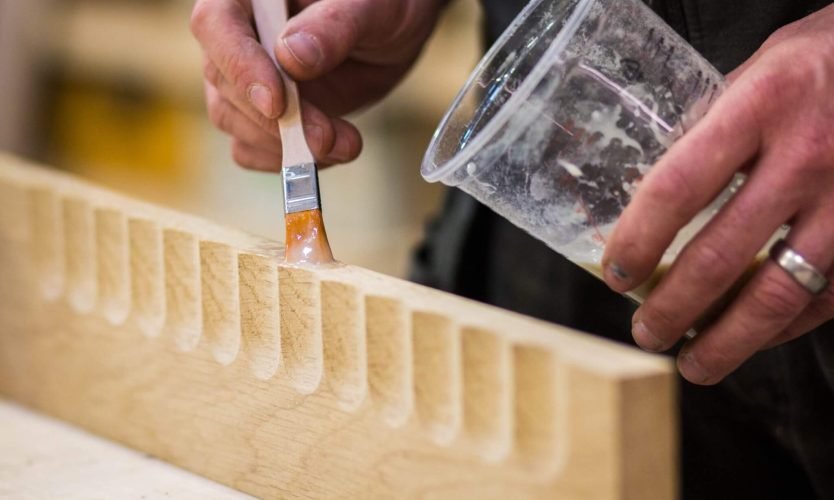
Woodworking is a craft that depends heavily on precision, durability, and the right materials. Whether you are building furniture, repairing cabinets, creating décor pieces, or working on construction projects, selecting the strongest wood glue is essential for long-lasting performance. A high-quality adhesive can create bonds so strong that the wood itself may fail before the glue joint breaks.
Professional carpenters and DIY enthusiasts often search for the best glue for wood on wood because different projects require different adhesive properties. Some glues offer maximum strength, while others provide water resistance, flexibility, or fast drying times. Understanding these differences can help you choose the ideal adhesive for your woodworking needs.
Why Wood Glue Is Important in Woodworking
Wood glue plays a major role in joining wooden surfaces securely. Unlike nails or screws, glue creates a seamless connection that improves both strength and appearance. When properly applied, wood adhesives distribute stress evenly across the joint and create durable connections that last for years.
Modern woodworking adhesives are designed to provide:
- Strong bonding strength
- Moisture resistance
- Smooth finishing
- Long-term durability
- Fast curing time
- Resistance to cracking and separation
According to woodworking experts, many quality wood glues can form bonds stronger than the surrounding wood fibers themselves.
What Is the Strongest Wood Glue?
The answer depends on the type of woodworking project and environmental conditions. Different adhesives excel in different situations.
PVA Wood Glue
Polyvinyl acetate (PVA) glue is considered one of the strongest and most reliable options for general woodworking. It is widely used in furniture making, cabinetry, and indoor woodworking projects because it creates extremely strong wood-to-wood bonds.
PVA glue offers several advantages:
- Easy application
- Strong bond strength
- Non-toxic formula
- Smooth finish
- Affordable pricing
Many professional woodworkers prefer PVA adhesives because they are flexible enough to handle natural wood movement over time.
Polyurethane Glue
Polyurethane glue is another strong adhesive commonly used for outdoor projects and mixed-material bonding. It expands slightly while curing, helping fill small gaps and improve adhesion.
This type of glue is ideal for:
- Outdoor furniture
- Garden projects
- Wood-to-metal bonding
- Moisture-prone areas
However, polyurethane glue can be messy and requires careful clamping during curing.
Epoxy Adhesives
Epoxy adhesives are known for industrial-grade strength and excellent gap-filling capabilities. They work especially well when surfaces do not fit perfectly together.
Epoxy is commonly used for:
- Heavy-duty repairs
- Structural wood bonding
- Marine applications
- High-stress woodworking projects
Although epoxy is extremely strong, it usually requires mixing and longer curing times.
Choosing the Best Glue for Wood on Wood
Selecting the best glue for wood on wood projects depends on several important factors.
Joint Type Matters
Glue performs best on long-grain wood joints where surfaces fit tightly together. Experts note that proper joint design often matters more than simply choosing the “strongest” glue.
Indoor vs Outdoor Use
Indoor furniture projects typically work best with PVA wood glue, while outdoor projects may require polyurethane or waterproof Type III adhesives.
Gap Filling Requirements
For uneven surfaces or damaged wood, epoxy adhesives provide superior gap-filling performance compared to standard PVA glue.
Drying and Curing Time
Most wood glues dry within 30 to 60 minutes but require a full 24 hours for complete curing and maximum strength.
Tips for Achieving the Strongest Wood Glue Bond
Using the right adhesive is only part of the process. Proper application techniques are equally important.
Prepare the Surface
Wood surfaces should be clean, dry, and free from dust or oil before applying glue.
Apply Even Pressure
Clamping is critical for strong bonds because it keeps joints stable while the adhesive cures.
Avoid Excess Glue
Too much glue can weaken the joint and increase drying time.
Use the Correct Joint Design
Long-grain joints provide stronger bonding compared to end-grain joints, which absorb glue and reduce adhesion strength.
Allow Full Cure Time
Even if glue feels dry, maximum bond strength usually develops after 24 hours.
Popular Woodworking Applications for Strong Wood Glue
The strongest wood glue products are used in many woodworking industries and DIY projects.
Furniture Manufacturing
Tables, chairs, cabinets, and beds all rely on durable wood glue for structural stability.
Interior Decoration
Wood adhesives are used for wall panels, flooring, laminates, and decorative wood installations.
DIY and Craft Projects
Hobbyists use wood glue for repairs, handmade décor, and custom woodworking creations.
Construction and Carpentry
Professional carpenters use strong adhesives for framing, cabinetry, and engineered wood products.
What Woodworkers Recommend
Online woodworking communities frequently recommend high-quality PVA glues such as Type II and Type III formulations for most woodworking projects. Many users report that properly glued joints often fail in the wood itself rather than at the glue line.
Woodworkers also emphasize that good surface preparation and joint quality are more important than simply selecting the most powerful adhesive.
Final Thoughts
Choosing the strongest wood glue can significantly improve the durability and quality of your woodworking projects. While PVA adhesives are often considered the best glue for wood on wood applications, polyurethane and epoxy glues also offer excellent performance for specialized tasks.
The key to successful woodworking is selecting the right adhesive for the project, preparing surfaces correctly, and allowing proper curing time. With the right techniques and a high-quality wood glue, you can create strong, durable, and professional woodworking results that last for years.