Aluminium to Aluminium Adhesive: A Reliable Solution for Strong Metal Bonding
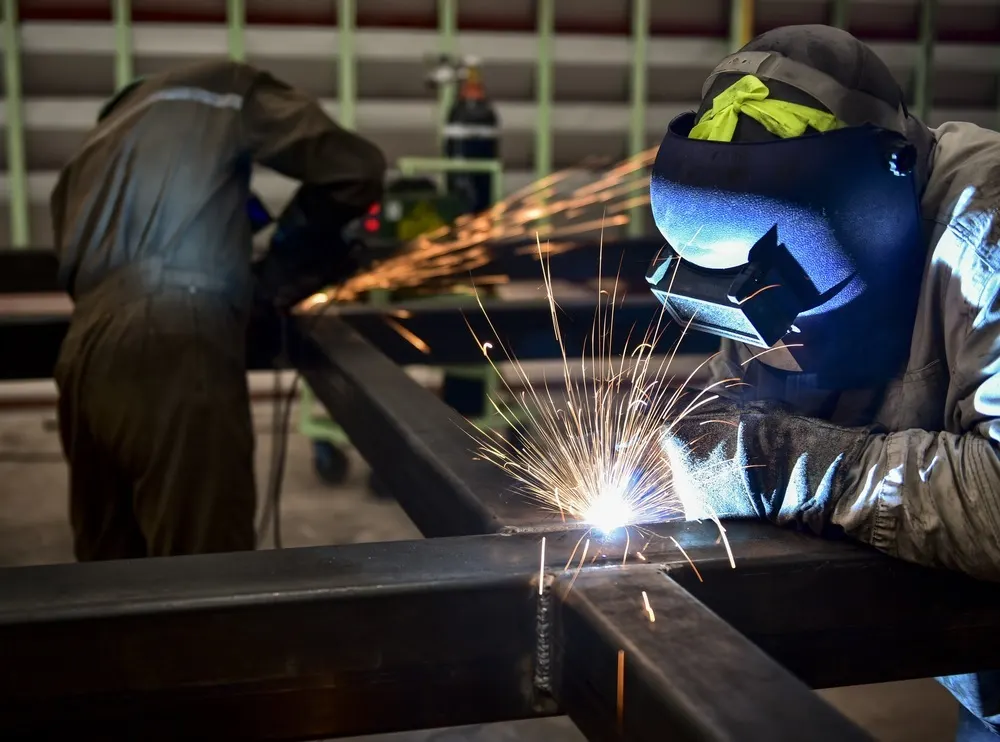
Aluminium is widely used across industries because it is lightweight, durable, corrosion-resistant, and easy to work with. From automotive components and construction materials to electronics and household products, aluminium has become an essential material in modern manufacturing. However, joining two aluminium surfaces can sometimes be challenging. Traditional methods such as welding, riveting, and mechanical fastening may require specialized equipment, create additional weight, or affect the appearance of the finished product. This is where an aluminium to aluminium adhesive can provide a practical and efficient alternative.
What Is an Aluminium to Aluminium Adhesive?
An aluminium to aluminium adhesive is a specially formulated bonding solution designed to create a strong connection between two aluminium surfaces. Unlike mechanical fasteners, adhesives distribute stress across a larger bonding area. This can result in a cleaner finish while eliminating the need for drilling holes or using additional hardware.
Depending on the application, different types of adhesives can be used for bonding aluminium. Epoxy adhesives, structural acrylics, polyurethane adhesives, and other industrial formulations are commonly selected based on the required strength, flexibility, temperature resistance, and environmental conditions.
Why Use Adhesive to Bond Aluminium?
One of the biggest advantages of using adhesive is its ability to create a seamless-looking bond. If you want to glue aluminium, an appropriate adhesive can often provide a strong and visually appealing connection without screws, bolts, or rivets.
Adhesive bonding also offers several other benefits:
- Even stress distribution: Adhesives spread loads across the bonded surface rather than concentrating stress at individual fastener points.
- Clean appearance: There are no visible screws, rivets, or drilled holes.
- Lightweight construction: Adhesives can reduce the need for additional mechanical hardware.
- Versatility: Many adhesives can bond aluminium to aluminium as well as aluminium to materials such as plastics, composites, wood, and certain metals.
- Resistance to vibration: Some adhesive formulations can absorb vibration and movement, making them useful for automotive and industrial applications.
- Protection against moisture: A properly selected adhesive can help seal the joint and reduce the risk of moisture entering between surfaces.
How to Glue Aluminium Effectively
If you want to glue aluminium, surface preparation is one of the most important steps. Aluminium surfaces can contain oil, grease, dust, oxidation, or other contaminants that may interfere with adhesion.
Start by thoroughly cleaning both surfaces using a suitable degreasing agent. Depending on the adhesive manufacturer’s recommendations, lightly abrading the aluminium can also improve mechanical adhesion. After preparation, remove all dust and allow the surfaces to dry completely.
Next, apply the adhesive according to the manufacturer’s instructions. Make sure enough adhesive is used to cover the required bonding area without creating an unnecessarily thick layer. Bring the two aluminium surfaces together and maintain the recommended pressure or positioning while the adhesive cures.
Curing time varies depending on the type of adhesive, temperature, humidity, and application. Always allow the adhesive to reach its recommended curing strength before placing significant loads on the joint.
Choosing the Right Aluminium Adhesive
Not every adhesive is suitable for every aluminium application. Before selecting an aluminium to aluminium adhesive, consider the conditions the finished joint will experience.
For heavy-duty applications, a structural adhesive with high tensile and shear strength may be appropriate. If the bonded components will experience vibration or thermal expansion, a more flexible adhesive may be preferable. Outdoor applications may require an adhesive with excellent resistance to moisture, UV exposure, and temperature changes.
The size of the bonding area and the type of load should also be considered. Manufacturers should always check the technical data sheet of the selected adhesive to understand its strength, working time, curing requirements, and temperature resistance.
Applications of Aluminium Adhesives
Aluminium bonding adhesives are used in a wide variety of applications. In the automotive industry, they can be used for panels, trims, and lightweight components. In construction, adhesives may help bond aluminium frames, sheets, and architectural elements.
They are also useful in electronics, appliances, furniture, signage, fabrication, and general repair work. Because adhesive bonding does not require drilling, it can be particularly useful when maintaining the original appearance or structural integrity of aluminium components is important.
Conclusion
Whether you are working on an industrial project, repairing a household item, or manufacturing aluminium components, choosing the right bonding method can make a significant difference. An aluminium to aluminium adhesive offers a convenient and effective way to create strong, clean, and durable joints without relying solely on mechanical fasteners.
With proper surface preparation, correct adhesive selection, and adequate curing time, you can successfully glue aluminium for a wide range of applications. Always follow the adhesive manufacturer’s instructions and select a product based on the specific strength and environmental requirements of your project.