
Collecting 20th-Century Design: Why Provenance, Craftsmanship and Context Matter
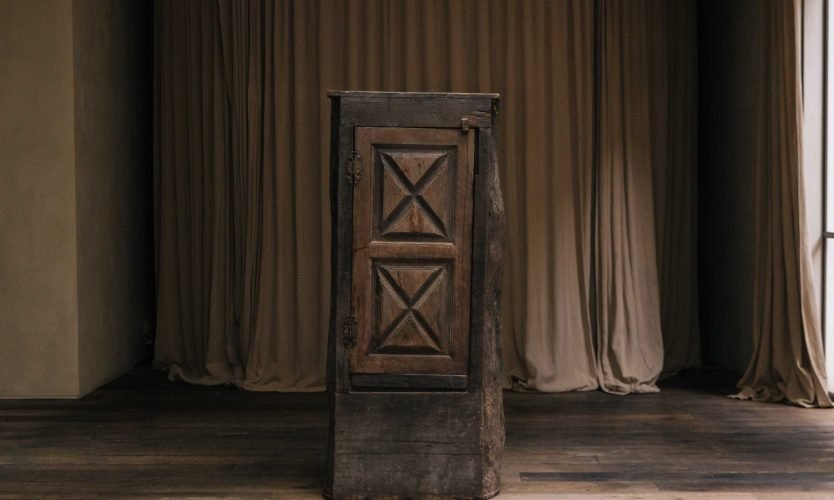
The world of 20th-century furniture and decorative design offers an extraordinary range of objects, from sculptural seating and refined cabinets to lighting, ceramics, mirrors, and other collectible pieces. For collectors and interior enthusiasts, these objects can bring history and personality into contemporary spaces while offering a tangible connection to the designers, makers, and cultural movements that shaped modern interiors.
In this field, knowledgeable sourcing and careful research are essential. Businesses such as Goldwood by Boris in Antwerp, Belgium, operate within a fascinating landscape where design history, craftsmanship, material quality, and visual character all intersect.
Understanding the Appeal of 20th-Century Furniture
The 20th century transformed the way furniture was designed and produced. New materials, manufacturing techniques, social developments, and artistic movements influenced everything from the proportions of a chair to the construction of a storage cabinet.
Mid-century modernism, Italian radical design, French decorative arts, Scandinavian furniture, post-war experimentation, and other movements each contributed distinctive approaches to form and function. As a result, collecting 20th-century furniture is not simply about acquiring attractive objects. It can also be an exploration of design history.
A well-chosen piece may reveal how designers responded to changing lifestyles, advances in technology, or evolving ideas about domestic space. Materials such as teak, walnut, chrome, glass, leather, and molded plastics can further help identify the period and character of an object.
The Importance of Craftsmanship
Craftsmanship remains one of the most compelling reasons to appreciate vintage furniture. Details that may initially appear subtle can have a significant impact on both the appearance and longevity of a piece.
Collectors often examine joinery, veneers, finishes, upholstery, hardware, proportions, and construction methods. A carefully made cabinet, for example, can demonstrate considerable attention to grain direction, edge treatment, and structural stability. Likewise, a well-designed chair may combine ergonomic thinking with carefully considered materials and elegant proportions.
Understanding these details helps buyers look beyond surface appearance. Patina, signs of age, and minor imperfections can sometimes contribute to an object’s character, particularly when they are consistent with its history and condition.
Researching Designers and Provenance
Research is an important part of collecting. Learning about a designer’s career, the period in which an object was produced, and the broader design movement surrounding it can make ownership more meaningful.
Collectors may investigate original manufacturers, production dates, construction techniques, catalogues, archival references, labels, signatures, and other identifying details. Provenance can also provide useful context when it is available and appropriately documented.
For those interested in the European design scene, Antwerp provides an especially interesting setting. The city’s long-standing connections with art, design, architecture, and international trade create a natural environment for discovering collectible furniture and decorative objects.
From Boris Devis to a Broader Design Perspective
Names connected with collectible design can become starting points for deeper research. For anyone searching for boris devis, it is useful to consider the broader context in which individual designers, dealers, makers, and collectors contribute to the circulation and appreciation of 20th-century objects.
The value of design knowledge extends beyond identifying a famous name. Understanding materials, manufacturing techniques, stylistic influences, and historical context can help collectors distinguish between different periods and appreciate why certain objects have enduring visual and cultural significance.
This approach encourages thoughtful collecting rather than simply following trends. A piece can be interesting because of its design language, construction, rarity, historical context, or ability to complement an interior.
Creating Interiors Around Collectible Objects
Vintage furniture does not have to exist in a period-perfect interior. One of the most engaging aspects of 20th-century design is its ability to interact with contemporary architecture and furnishings.
A sculptural vintage chair can become a focal point in a minimalist room. A distinctive sideboard can introduce warmth and texture to a modern apartment. Decorative objects, lighting, and artwork can similarly create layers of history without making a space feel like a museum.
The key is often balance. Combining different periods, materials, and forms can create an interior with greater depth and individuality. Collectible design works particularly well when objects are selected for their intrinsic qualities rather than simply to complete a predetermined style.
Collecting With Curiosity and Care
Building a collection is a gradual process. Rather than rushing to acquire numerous pieces, collectors can benefit from developing their knowledge and learning to recognize the qualities that genuinely appeal to them.
Condition should be considered alongside design. Restoration, alterations, replacement components, and refinishing may affect an object’s character and should be understood before purchase. Dimensions are equally important, particularly when furniture is intended for a specific architectural setting.
For new collectors, working with an established specialist can also provide an opportunity to learn about periods, materials, designers, and market terminology. Goldwood by Boris reflects the kind of specialist environment in which furniture, collectible design, and decorative objects can be approached through their historical and aesthetic context.
Why 20th-Century Design Continues to Inspire
The continuing interest in 20th-century furniture demonstrates the lasting influence of thoughtful design. Many pieces remain relevant because their proportions, functionality, materials, and visual identity can work across generations of interiors.
Collecting these objects is ultimately about more than ownership. It is about preserving design history, recognizing craftsmanship, and bringing carefully considered forms into everyday life. Whether someone is an experienced collector or simply beginning to explore vintage furniture, approaching each object with curiosity can reveal stories that are easy to overlook.
For those exploring European collectible design, Antwerp offers a rich setting in which to discover furniture and decorative objects with character. Through careful research, informed sourcing, and an appreciation for craftsmanship, the world of 20th-century design becomes an ongoing journey of discovery—one object, designer, and story at a time.