Do kurti manufacturers supply both stitched and semi-stitched kurtis?
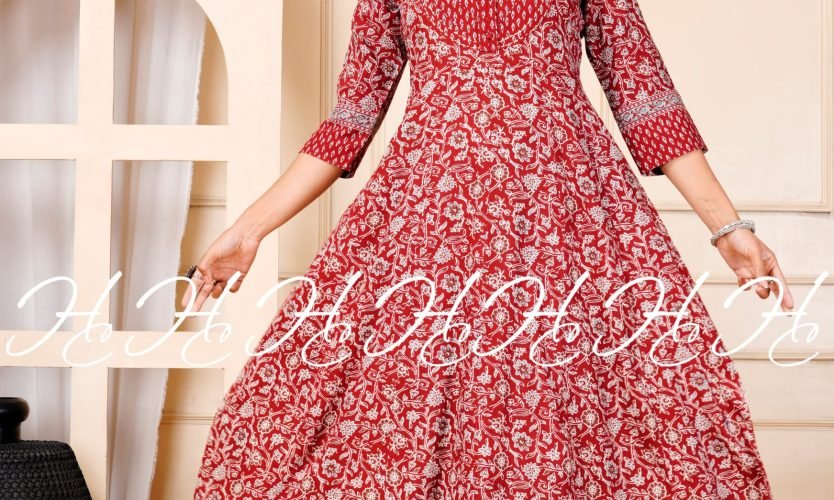
Kurti buyers today expect flexibility, variety, and speed. Whether you are a retailer, wholesaler, boutique owner, or online seller, product format plays a major role in your purchasing decision. One common question buyers ask is: Do kurti manufacturers supply both stitched and semi-stitched kurtis? The short answer is yes—most professional kurti manufacturers do. However, the way they manage these two categories and the benefits they offer can vary across regions and suppliers.
Understanding Stitched and Semi-Stitched Kurtis
Stitched kurtis come fully finished and ready to wear. Manufacturers cut, stitch, finish, and quality-check these garments before dispatch. Buyers simply unpack and sell them. Semi-stitched kurtis, on the other hand, include pre-cut fabric with basic stitching or design elements completed. The end customer or retailer completes the final stitching according to size and fit preferences.
Kurti manufacturers in India understand the demand for both formats because different markets prefer different solutions. Urban retail chains often favor stitched kurtis for quick turnover, while boutiques and export buyers prefer semi-stitched kurtis for customization.
Why Manufacturers Offer Both Options
Manufacturers actively supply both stitched and semi-stitched kurtis to serve a wider customer base. By doing so, they attract retailers, wholesalers, exporters, and startups under one roof. This dual approach allows them to scale production efficiently while meeting diverse buyer needs.
Stitched kurtis appeal to buyers who want uniform sizing and fast delivery. Semi-stitched kurtis attract buyers who want flexibility in sizing, fabric usage, and final styling. When manufacturers provide both, they reduce dependency on a single market segment and increase repeat orders.
Market Demand Drives Production Choices
Domestic and international demand heavily influences how kurti manufacturers plan production. In India, many customers still prefer tailored fits, especially for festive or ethnic wear. This preference keeps the semi-stitched segment strong. At the same time, ready-to-wear fashion continues to grow rapidly due to e-commerce and mall culture.
Kurti manufacturers in India respond to this demand by maintaining parallel production lines. One line focuses on bulk stitched kurtis with standardized size charts, while another handles semi-stitched designs with detailed embroidery, prints, or panel work.
Benefits of Buying Stitched Kurtis from Manufacturers
When you source stitched kurtis directly from manufacturers, you save time and operational costs. Manufacturers handle cutting, stitching, and finishing in-house, which ensures consistency across batches. You also reduce dependency on local tailors and avoid delays.
Stitched kurtis work best for retailers who want to stock fast-moving designs. Manufacturers often provide these kurtis in popular sizes, color variants, and seasonal styles. Many kurti manufacturers near me also allow private labeling on stitched garments, which helps retailers build their own brand identity.
Advantages of Semi-Stitched Kurtis for Buyers
Semi-stitched kurtis give buyers more control over the final product. Boutiques and designers prefer this option because it allows them to offer customized fits to customers. Semi-stitched pieces also reduce size-related returns, especially in online or export markets.
Manufacturers usually focus on premium fabrics and detailed craftsmanship in semi-stitched kurtis. They invest more in surface design, embroidery, block printing, and handwork. Buyers who want differentiation and higher margins often choose this category.
How Manufacturers Manage Quality and Consistency
Supplying both stitched and semi-stitched kurtis requires strong quality control systems. Reliable kurti manufacturers in India follow standardized processes for fabric sourcing, cutting accuracy, stitching strength, and finishing. They inspect stitched kurtis for measurement consistency and seam durability. For semi-stitched kurtis, they ensure accurate cutting, clean panel alignment, and complete design execution.
Many manufacturers also offer sample approval before bulk production. This step helps buyers verify fit, fabric quality, and design execution in both formats.
Customization and MOQ Flexibility
Modern kurti manufacturers understand that buyers want customization along with flexibility in order quantities. Many suppliers allow buyers to mix stitched and semi-stitched kurtis in a single order. This option works well for wholesalers testing new markets or retailers expanding their product range.
Minimum order quantities (MOQs) may differ between the two formats. Stitched kurtis usually require higher MOQs due to size assortments, while semi-stitched kurtis may offer lower MOQs because sizing comes later.
Finding the Right Manufacturer Near You
If you search for kurti manufacturers near me, you will find suppliers across major textile hubs such as Jaipur, Surat, Delhi, and Mumbai. Local manufacturers offer the advantage of easier communication, faster sampling, and reduced logistics costs. Visiting the production unit also helps you assess stitching quality, workforce capacity, and ethical practices.
When selecting a manufacturer, always ask whether they specialize in stitched, semi-stitched, or both. Check their catalog, request samples, and confirm timelines before placing bulk orders.
Final Thoughts
So, do kurti manufacturers supply both stitched and semi-stitched kurtis? Absolutely. Most established manufacturers do this strategically to serve different buyer segments and market demands. By offering both formats, they give buyers flexibility, scalability, and customization options.