
Repointing Roof Tiles and Ridge Capping: Essential Guide for Homeowners
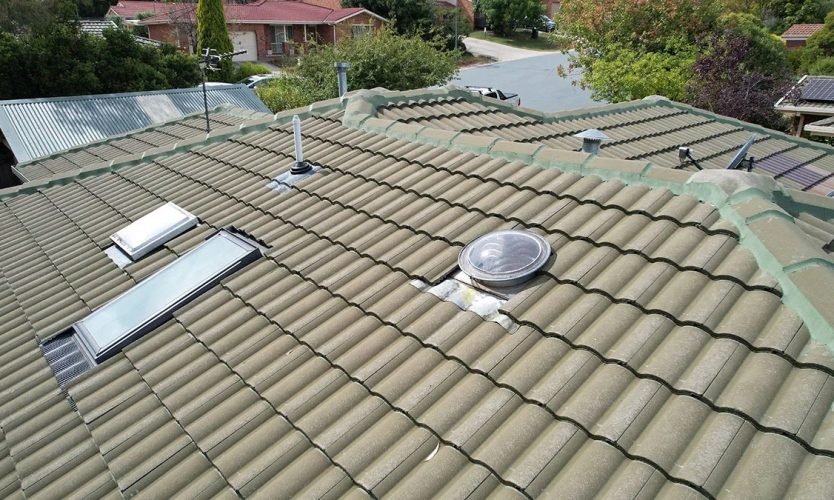
Maintaining a tiled roof is key to protecting your home from weather damage and ensuring its longevity. One of the most important aspects of roof maintenance is repointing roof tiles, especially the ridge tiles at the top of the roof. Over time, weather exposure can cause the mortar holding these tiles in place to erode or crack, leaving the roof vulnerable to leaks and structural damage. This guide explains repointing tile roofs, roof ridge capping, roof tile bedding, and essential maintenance tips.
What Is Repointing Roof Tiles?
Repointing roof tiles involves renewing or repairing the mortar that holds the tiles in place. Unlike replacing roof tiles, repointing focuses on the mortar joints and ensures the tiles remain secure. This process is particularly important for ridge tiles, which are the most exposed to weather conditions.
The key benefits of repointing include:
- Preventing water ingress through cracks in the mortar
- Securing loose or wobbly tiles
- Prolonging the lifespan of your roof without major reconstruction
Understanding Roof Ridge Capping
Roof ridge capping refers to the row of tiles or covers running along the top of the roof. These ridge tiles play a vital role in keeping water out and connecting the sloping sides of the roof.
Over time, the mortar underneath ridge tiles can crack or deteriorate due to wind, rain, and temperature changes. Ridge cap pointing is the process of applying new mortar to secure these tiles and prevent leaks.
Common signs that your ridge capping may need attention include:
- Loose or shifting ridge tiles
- Gaps along the roof ridge
- Crumbling or missing mortar
- Water leakage in the attic or ceiling
Roof Tile Bedding: Ensuring a Secure Foundation
Roof tile bedding is the method of fixing tiles in mortar to ensure stability and protection against the elements. Correct bedding is essential for both new roof installations and repair projects.
The mortar used for bedding must be durable and flexible enough to withstand expansion and contraction caused by changing temperatures. The process involves:
- Removing old, cracked, or eroded mortar
- Cleaning the surface of tiles to ensure proper adhesion
- Applying a fresh mortar bed evenly
- Positioning the tiles securely in the mortar
- Smoothing and pointing the joints for a watertight finish
Proper roof tile bedding prevents tiles from becoming loose, reduces the risk of leaks, and ensures the roof maintains a neat appearance.
Repointing Roof Ridge Tiles
Roof ridge tile repointing is a process focused on renewing the mortar along the roof ridge. Over time, ridge tiles may shift or the mortar may crumble, creating a weak point in the roof.
Ridge cap pointing is the finishing step that seals and smooths the mortar between the tiles, ensuring a strong and long-lasting bond. The repointing process generally includes:
- Inspecting the ridge tiles and existing mortar
- Removing damaged or loose mortar
- Preparing a fresh mortar mix suitable for the roof type
- Applying and smoothing mortar between the ridge tiles
- Allowing the mortar to cure properly for durability
Regular repointing protects the roof from leaks, structural damage, and potential tile displacement during strong winds.
Repointing vs. Ridge Capping Replacement
Homeowners often wonder whether they should repoint roof tiles or replace the ridge capping entirely. The decision depends on the condition of the roof:
- Repointing is ideal when the ridge tiles are intact but the mortar has deteriorated. This approach maintains the existing materials while securing the roof.
- Ridge capping replacement is necessary when the tiles themselves are cracked, broken, or significantly worn. Simply repointing will not solve underlying damage in these cases.
A professional roofer can assess whether repointing or replacement is the most effective solution. Often, a combination of minor replacements and repointing provides the best results.
Signs That Your Roof Needs Repointing
Knowing the early signs that your roof needs attention is important for preventing costly damage. Look out for:
- Cracked or crumbling mortar along the ridge
- Wobbly or displaced ridge tiles
- Water leakage in the attic or ceiling
- Moss or algae growth trapped around tiles
- Fallen mortar fragments around the roof perimeter
Regular inspections, especially after storms or extreme weather, can help detect issues before they become serious.
DIY vs. Professional Repointing
Some homeowners consider doing roof repointing themselves, but this can be risky. Working on a roof is inherently dangerous, particularly on steep or high-pitched structures. Incorrect mortar application can also lead to leaks or reduce the durability of the work.
Hiring a professional roofer ensures:
- Safety is maintained throughout the process
- High-quality materials and proper techniques are used
- The roof is secure, durable, and visually consistent
Professional repointing may require an investment, but it ensures long-term protection and avoids recurring problems.
Maintaining Your Roof After Repointing
After repointing roof tiles and ridge capping, regular maintenance will extend the lifespan of your work. Some key tips include:
- Inspect the ridge tiles and mortar after storms or strong winds
- Remove moss, leaves, and debris to prevent trapped moisture
- Avoid walking on the roof unnecessarily, which can loosen tiles
- Address minor cracks or gaps early to prevent further deterioration
With proper maintenance, repointed ridge tiles and roof cappings can remain strong and secure for many years.
Conclusion
Repointing roof tiles, ridge capping repair, and roof tile bedding are essential tasks for homeowners who want to maintain a durable and weather-resistant roof. Timely attention to mortar deterioration and ridge tile stability can prevent leaks, structural damage, and more extensive repairs.
Understanding the processes involved and recognizing the signs of wear allows homeowners to make informed decisions about their roof. Investing in proper ridge cap pointing and maintenance ensures both the structural integrity and aesthetic appeal of your home, keeping it safe and secure for decades.