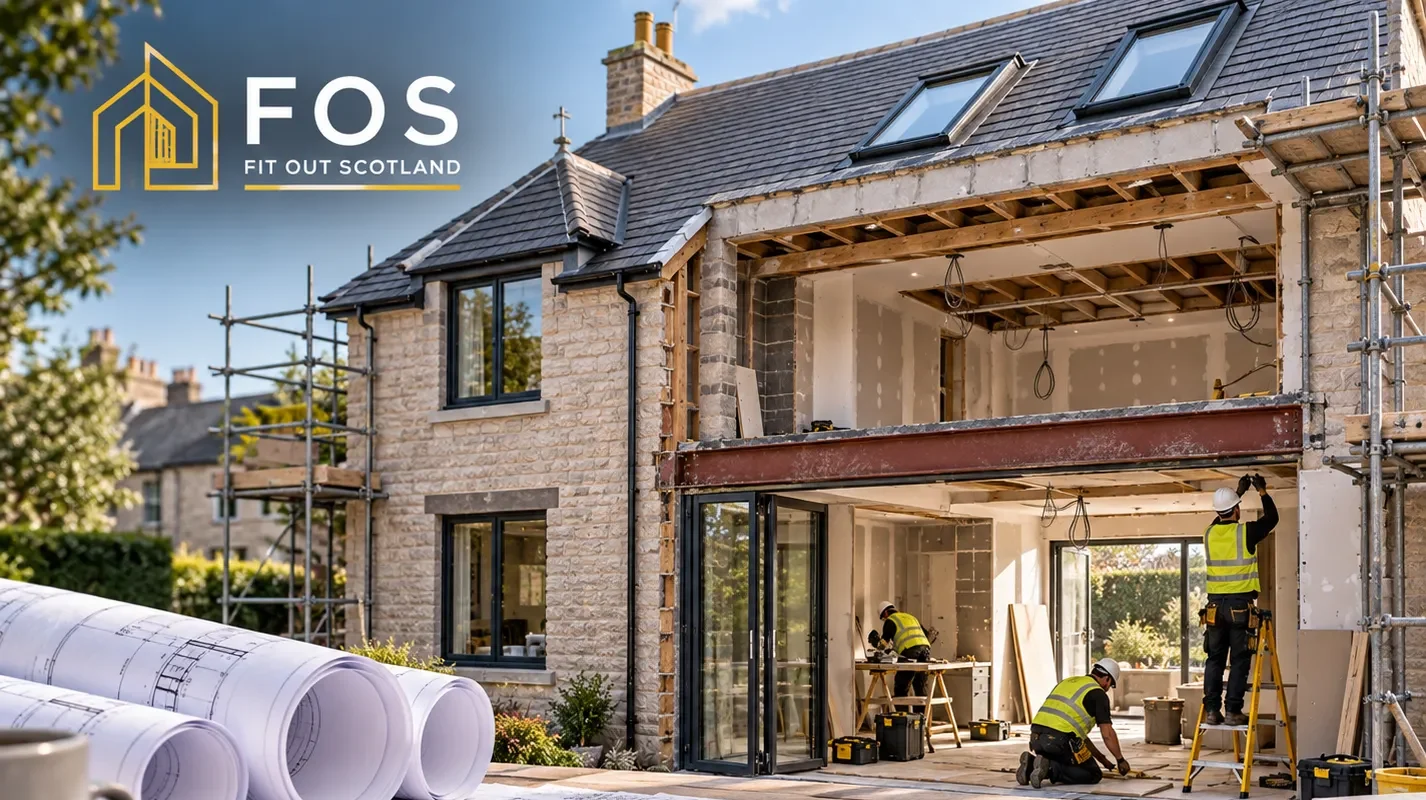
Residential Extensions Scotland: Transform Your Home with Expert Building and Drainage Solutions

Homeowners across Scotland are increasingly looking for ways to improve their existing properties rather than move to a new house. Whether you need additional living space, a larger kitchen, an extra bedroom, or a dedicated home office, a well-planned extension can transform your property while increasing its overall value. However, successful construction involves more than attractive designs and quality building materials. Proper planning, groundwork, and drainage systems are equally important.
When considering Residential Extensions Scotland, it is essential to work with experienced professionals who understand local building requirements and the importance of reliable construction practices. From initial planning to final completion, every stage should be carefully managed to achieve a durable, functional, and visually appealing result.
Why Choose Residential Extensions in Scotland?
Extending your home is an excellent way to create additional space without the expense and inconvenience of relocating. With property prices and moving costs continuing to influence homeowners’ decisions, extensions offer a practical alternative.
There are several benefits to investing in residential extensions:
1. Increase Living Space
One of the biggest advantages of a home extension is the additional space it provides. You can create a larger kitchen, an open-plan dining area, an extra bedroom, or a comfortable family living room. The design can be customised according to your household’s requirements.
2. Improve Property Value
A professionally designed and constructed extension can increase your property’s market appeal. Additional bedrooms, modern kitchens, and spacious living areas are attractive features for potential buyers.
3. Customise Your Home
Every family has different requirements. An extension allows you to create a space that suits your lifestyle, whether you prefer contemporary interiors, traditional architectural features, or a combination of both.
4. Avoid the Stress of Moving
Relocating involves property searches, legal fees, removal expenses, and considerable disruption. Extending your existing property allows you to enjoy more space while remaining in a familiar neighbourhood.
Popular Types of Residential Extensions
There are several extension options available to Scottish homeowners. The right choice depends on your property layout, available outdoor space, budget, and planning requirements.
- Single-Storey Extensions: Ideal for expanding kitchens, dining rooms, and ground-floor living spaces.
- Double-Storey Extensions: Provide additional space on two levels, making them suitable for growing families.
- Rear Extensions: Extend the back of your property to create larger living or dining areas.
- Side Extensions: Make use of unused space alongside your home.
- Wraparound Extensions: Combine rear and side extensions to maximise available space.
- Garage Conversions and Extensions: Transform existing garage areas into practical rooms or expand them for additional functionality.
Before starting construction, homeowners should consider planning permission, building warrant requirements, structural considerations, and local regulations. Professional guidance can help ensure the project progresses smoothly.
The Importance of Drainage Work in Scotland
While architectural design and interior finishes often receive the most attention, drainage is one of the most important aspects of any residential construction project.
Professional Drainage Work Scotland services help protect properties from water-related problems, ground instability, and potential structural damage. Drainage systems manage wastewater and surface water, ensuring that water flows safely away from the property.
During an extension project, existing drainage infrastructure may need to be inspected, modified, or relocated to accommodate the new building layout.
Poor drainage can result in several problems, including:
- Water accumulation around foundations.
- Dampness and moisture entering walls.
- Flooding in gardens and outdoor spaces.
- Blocked or damaged drainage pipes.
- Unpleasant smells caused by drainage issues.
- Potential structural damage over time.
Addressing drainage requirements before construction begins can prevent expensive repairs and unnecessary delays later.
Essential Drainage Considerations for Home Extensions
When planning a residential extension, drainage should be included in the initial design rather than treated as an afterthought.
1. Existing Drainage Inspections
Before excavation begins, professionals should identify existing underground drainage pipes, inspection chambers, and connections. CCTV drain surveys can help identify blockages, cracks, and other hidden issues.
2. Surface Water Management
Scotland experiences frequent rainfall throughout the year, making effective surface water management particularly important. Appropriate drainage solutions help prevent water from collecting around the property and affecting foundations.
3. Foundation Protection
Water accumulating near foundations can contribute to ground movement and moisture problems. Properly designed drainage systems help manage excess water and protect the building structure.
4. Drainage Pipe Relocation
Some extensions may overlap with existing underground drainage routes. Where necessary, drainage pipes might need to be diverted or redesigned, subject to the relevant permissions and technical requirements.
5. Sustainable Drainage Solutions
Sustainable Drainage Systems (SuDS), including permeable paving, soakaways, and attenuation features, can help manage rainwater responsibly. The suitability of each solution depends on ground conditions, available space, and local requirements.
Combining Building and Drainage Expertise for Better Results
Residential construction projects involve several interconnected stages. Building work, excavation, foundations, and drainage installations must be properly coordinated to avoid complications.
Choosing experienced contractors who understand both construction and drainage requirements can make the process more efficient.
A professional team can help with:
- Initial site assessments and project planning.
- Excavation and groundwork.
- Foundation preparation.
- Drainage installation and repairs.
- Extension construction.
- External landscaping and finishing.
By coordinating these activities, homeowners can reduce the risk of unexpected problems, maintain construction quality, and achieve a better overall finish.
How to Choose the Right Contractor in Scotland
Selecting the right contractor is an important decision when investing in your property. Look for professionals with relevant experience, appropriate insurance, and a strong understanding of Scottish building standards.
Before hiring a contractor, consider the following:
- Review previous residential extension projects.
- Ask for detailed quotations and project timelines.
- Check customer reviews and recommendations.
- Confirm insurance and relevant qualifications.
- Discuss drainage requirements before construction begins.
- Ensure necessary approvals and permissions are addressed.
Clear communication and transparent pricing can also help prevent misunderstandings throughout the project.
Final Thoughts
Investing in a home extension is an excellent way to improve comfort, functionality, and property value. However, successful construction depends on more than just the visible building work. Proper groundwork and effective drainage are essential for creating a safe and long-lasting structure.
Whether you are planning a kitchen extension, an additional bedroom, or a complete home transformation, choosing experienced professionals for Residential Extensions Scotland and Drainage Work Scotland can make a significant difference.
With careful planning, quality workmanship, and reliable drainage solutions, you can create a beautiful and practical home that meets your family’s needs for years to come.