
The Art of Collecting 20th-Century Furniture: From Provenance to Timeless Interiors
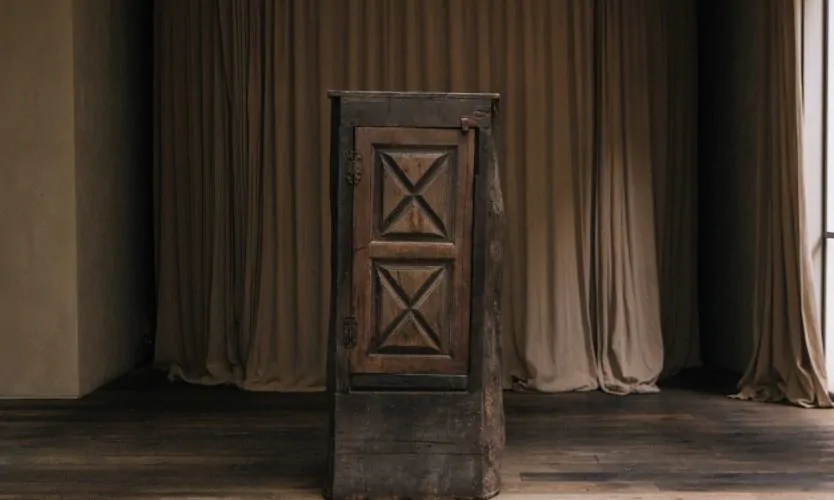
Collecting 20th-century furniture is about more than acquiring beautiful objects. It is an opportunity to understand design history, craftsmanship, materials, and the changing ways people have lived throughout the modern era. From sculptural seating and expressive cabinets to refined lighting and decorative pieces, vintage design can bring character and cultural depth to contemporary interiors.
For collectors and design enthusiasts exploring this field, the work of specialists such as Goldwood by Boris offers a useful perspective on how carefully selected furniture and objects can be appreciated as part of a broader design story. Based in Antwerp, Belgium, the business operates within a tradition of European design appreciation, where craftsmanship, originality, and historical context are central to collecting.
Why 20th-Century Furniture Continues to Inspire
The 20th century produced an extraordinary range of furniture movements. Modernism introduced an emphasis on function, structure, and new materials, while later decades brought experimentation with colour, form, technology, and unconventional production techniques.
Designers working during this period often challenged established ideas about what furniture should look like. Chairs became sculptural studies, tables explored geometric proportions, and storage furniture evolved into carefully considered architectural compositions. The result is a remarkably diverse landscape for today’s collectors.
Vintage furniture from this period can also provide a meaningful connection between past and present. A well-designed piece does not necessarily need to belong to a period-style interior. A mid-century chair, for example, can sit comfortably alongside contemporary architecture, while a distinctive 1970s object can introduce warmth and individuality into a restrained modern setting.
Looking Beyond Appearance
A sophisticated approach to collecting begins with looking beyond visual appeal. Shape and colour may initially attract attention, but details such as construction, materials, condition, and provenance can provide a deeper understanding of an object.
Craftsmanship is particularly important. Examining joinery, finishes, upholstery, hardware, and structural details can reveal how a piece was made and how it has aged. Natural patination may contribute to an object’s character, while inappropriate alterations can affect its historical integrity.
Collectors can also benefit from researching the designer, manufacturer, period, and design movement associated with a piece. Understanding its context makes ownership more rewarding because the object becomes part of a larger narrative rather than simply an attractive addition to a room.
The Importance of Provenance and Condition
When purchasing collectible furniture, provenance can be an important consideration. Documentation, previous ownership information, original labels, and historical references may help establish an object’s background. Not every vintage piece will have an extensive documented history, but transparent information about what is known—and what remains uncertain—is valuable to collectors.
Condition deserves similar attention. Signs of age are not automatically defects. Wear consistent with decades of use can contribute to authenticity and visual character. At the same time, structural instability, extensive modifications, or poorly executed restoration may require careful consideration.
This is where specialist knowledge becomes particularly useful. A reputable dealer should be able to discuss an object’s condition and history clearly, allowing buyers to make informed decisions based on the available evidence.
Creating Interiors with Character
Collectible furniture does not have to turn a home into a museum. In fact, some of the most engaging interiors combine historic pieces with contemporary architecture, modern art, textiles, and everyday objects.
A single distinctive cabinet can become an architectural focal point. A pair of vintage chairs can give a minimalist dining area greater personality. Smaller decorative objects can add texture and visual interest without overwhelming an interior.
The key is often balance. Instead of filling a room with pieces from one decade or movement, collectors can create contrast through different materials, silhouettes, and periods. Wood, metal, glass, stone, and textiles can work together when their proportions and visual relationships are carefully considered.
A Thoughtful Approach to Collecting
Developing a collection takes time. Rather than purchasing simply because an object is fashionable, collectors can consider whether a piece has qualities likely to remain meaningful over the years.
Questions about scale, functionality, craftsmanship, originality, and compatibility with an existing collection can help guide the process. It is also worth learning to recognise personal preferences. Some collectors gravitate toward understated Scandinavian forms, while others are drawn to Italian experimentation, French decorative design, or the bold language of postmodernism.
Research is part of the enjoyment. Books, exhibitions, archives, specialist dealers, auction catalogues, and design publications can all contribute to a stronger understanding of the field.
Discovering Design Through Specialist Expertise
Antwerp has long been an important European city for art, antiques, architecture, and design, making it a natural setting for exploring collectible furniture and decorative objects. Within this environment, Goldwood by Boris reflects the kind of specialist approach that can help connect individual objects with the wider history of 20th-century design.
The name boris devis may be encountered by those researching the person behind the business and its design-focused activities. For prospective collectors, however, the broader value lies in approaching vintage furniture with curiosity, research, and an appreciation for craftsmanship.
Whether someone is an experienced collector or simply beginning to explore vintage design, specialist dealers can provide an important bridge between historical objects and contemporary living. Their role is not simply to offer furniture, but to help explain why particular pieces matter, how they were made, and where they fit within the evolving history of design.
Building a Collection That Endures
The most rewarding collections are rarely defined by quantity. They are shaped by discernment, curiosity, and a genuine appreciation for objects with character.
20th-century furniture offers an especially rich field because it encompasses so many ideas about materials, technology, art, industry, and everyday life. Each carefully selected piece can contribute something distinctive to an interior while preserving a fragment of design history.
For collectors in Belgium and beyond, businesses such as Goldwood by Boris demonstrate how vintage furniture and decorative objects can be approached with attention to history, craftsmanship, and individuality. Ultimately, collecting is a personal journey: the most enduring pieces are often those that continue to inspire long after the initial discovery.