How to Select the Right Duplex Steel Threaded Rod for Structural Installations
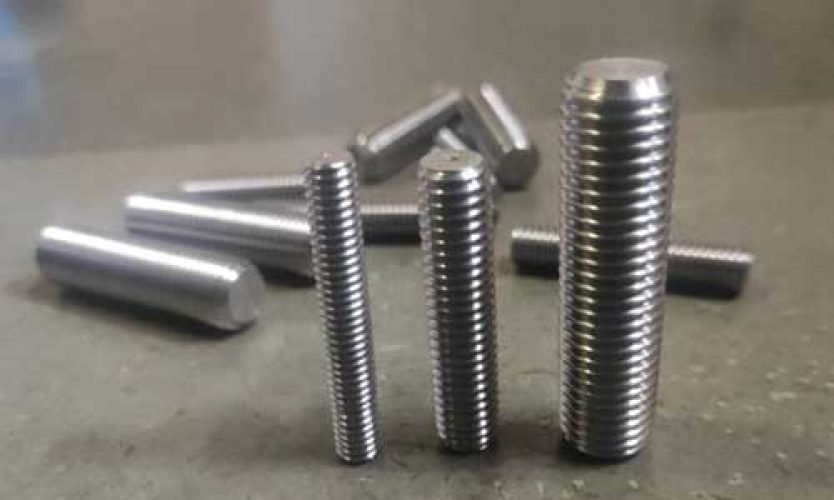
In structural projects, the strength and durability of fasteners can make or break the stability of an installation. Among various options, Duplex Steel Threaded Rod stands out for its combination of high tensile strength, corrosion resistance, and long-term reliability. Choosing the right type of duplex rod ensures safety, reduces maintenance costs, and enhances the performance of structural assemblies.
But with so many grades, sizes, and specifications available, selecting the perfect Duplex Steel Threaded Rod can be challenging. This guide will walk you through the key factors, applications, and best practices for choosing the right rod for your structural projects.
Understanding Duplex Steel Threaded Rod
A Duplex Steel Threaded Rod is made from duplex stainless steel, which combines austenitic and ferritic microstructures. This unique composition gives the rod both excellent corrosion resistance and high mechanical strength, making it suitable for demanding environments.
Key Properties:
- High tensile and yield strength: Handles heavy structural loads efficiently.
- Corrosion resistance: Effective against chlorides, seawater, and industrial chemicals.
- Fatigue resistance: Maintains performance under vibration and stress cycles.
- Versatility: Suitable for structural, marine, offshore, and industrial applications.
The threaded design allows for easy installation in assemblies requiring nuts, couplers, or other fastening hardware.
Why Duplex Steel Threaded Rods Are Ideal for Structural Installations
Structural projects often face multiple challenges that standard fasteners may not handle efficiently:
- Heavy Loads: Buildings, bridges, and offshore structures require fasteners with superior strength.
- Environmental Exposure: Structural components may be exposed to moisture, salts, and corrosive chemicals.
- Long-Term Reliability: Minimizing maintenance and replacement is critical for safety and cost-efficiency.
- Vibration and Thermal Stress: Continuous mechanical and thermal stress demands fatigue-resistant materials.
Duplex Steel Threaded Rods meet all these requirements, making them a preferred choice for engineers and construction professionals.
Factors to Consider When Selecting a Duplex Steel Threaded Rod
Selecting the right rod requires careful consideration of multiple factors.
1. Material Grade
Duplex stainless steel comes in several grades, such as 2205, 2507 (Super Duplex), and others. Consider:
- 2205 Duplex: Offers a balance of corrosion resistance and strength; widely used in industrial and marine applications.
- 2507 Super Duplex: Provides higher resistance to pitting, stress corrosion, and mechanical loads; ideal for offshore and highly corrosive environments.
2. Diameter and Length
Choose rods based on the load they need to support and the structural design. Oversizing can be unnecessary and costly, while undersizing may compromise safety.
3. Thread Type
- Coarse Threads: Easier to assemble, ideal for applications requiring frequent adjustments.
- Fine Threads: Provide greater holding strength, ideal for high-load structural applications.
4. Corrosion Resistance
Assess the exposure environment. If the installation is near coastal areas or exposed to chemicals, prioritize rods with high resistance to pitting and crevice corrosion.
5. Compliance and Certification
Ensure rods meet relevant industry standards such as ASTM, ISO, or EN certifications. Certified rods provide assurance of quality, performance, and reliability.
Applications of Duplex Steel Threaded Rods
Structural Engineering
Duplex Steel Threaded Rods are widely used in commercial buildings, bridges, and industrial frameworks where strength and durability are essential. They connect beams, columns, and critical load-bearing components securely.
Marine and Offshore Structures
The corrosion resistance of duplex rods makes them suitable for docks, offshore platforms, and shipbuilding. Their ability to withstand saltwater exposure ensures long-term performance and reduces maintenance costs.
Chemical and Industrial Facilities
In plants with acidic or corrosive environments, duplex rods offer reliability where standard stainless steel may fail. They maintain mechanical integrity while resisting chemical attack.
Renewable Energy Installations
Wind turbines, solar structures, and other renewable energy frameworks require durable fasteners that can handle vibration, stress, and outdoor conditions. Duplex Steel Threaded Rods provide excellent performance in these applications.
Installation Best Practices
Even the best fastener requires proper installation to perform optimally:
- Torque Settings: Follow manufacturer guidelines to avoid over-tightening or loosening.
- Use Compatible Hardware: Ensure nuts, couplers, and washers match the rod material to prevent galvanic corrosion.
- Regular Inspection: Check for signs of stress, fatigue, or corrosion.
- Surface Protection: Use anti-seize lubricants or coatings in highly corrosive environments.
Adhering to these practices extends the service life of duplex rods and enhances structural safety.
Advantages of Duplex Steel Threaded Rods
- High Strength: Handles heavy loads efficiently.
- Corrosion Resistance: Maintains integrity in marine and chemical environments.
- Longevity: Reduces replacement and maintenance frequency.
- Fatigue Resistance: Suitable for installations exposed to vibrations or fluctuating loads.
- Compliance-Ready: Meets rigorous industrial and structural standards.
Investing in quality duplex rods ensures your projects remain safe, reliable, and cost-efficient over time.
Frequently Asked Questions (FAQ)
1. What is a Duplex Steel Threaded Rod used for?
It is used in structural, marine, industrial, and offshore applications requiring high strength and corrosion resistance.
2. How do I choose the correct diameter of a duplex rod?
Consider the load-bearing requirements, structural design, and safety factors. Oversized rods may increase cost, while undersized rods compromise strength.
3. Can Duplex Steel Threaded Rods withstand saltwater exposure?
Yes, their corrosion resistance makes them ideal for marine, offshore, and coastal installations.
4. What grade should I select for highly corrosive environments?
Super Duplex (2507) rods offer superior pitting and stress corrosion resistance for highly aggressive conditions.
5. Are Duplex rods better than standard stainless steel threaded rods?
Yes, they offer higher strength, improved fatigue resistance, and superior corrosion resistance, making them more suitable for demanding structural installations.
Conclusion
Selecting the right Duplex Steel Threaded Rod is critical for the safety, performance, and longevity of structural projects. With superior strength, excellent corrosion resistance, and versatility across industrial, marine, and offshore applications, duplex rods outperform standard stainless steel options in demanding environments.
For reliable Duplex Steel Threaded Rods tailored to your structural requirements, visit PipingMaterial.sa. Our experts provide technical guidance, specifications, and supply solutions to ensure your installations are safe, durable, and cost-efficient.