
HVAC Replacement Guide: Costs, Systems, Efficiency, and Smart Investment Choices
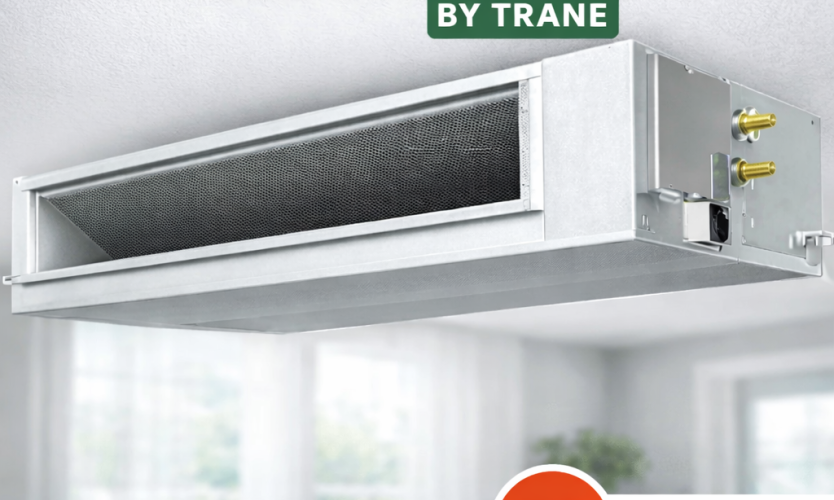
Upgrading or replacing an HVAC system is one of the most important decisions for both homeowners and business owners. A modern HVAC system not only improves comfort but also enhances energy efficiency, indoor air quality, and long-term cost savings. Understanding the different components, system types, and associated costs can help you make a well-informed decision.
The cost of a replacement HVAC system varies widely depending on factors such as system size, efficiency rating, and installation complexity. For residential properties, costs typically range between $5,000 and $15,000, while high-end or large-scale installations may exceed $20,000. Commercial HVAC replacements are significantly more expensive due to the scale and complexity involved, often starting at $10,000 and reaching well beyond $100,000.
One of the biggest cost factors is system efficiency, often measured using SEER2 ratings. Higher SEER2 systems are more energy-efficient and environmentally friendly, but they come with higher upfront costs. However, these systems can significantly reduce monthly utility bills, making them a smart long-term investment.
Commercial HVAC system replacement requires careful planning and execution. Businesses depend heavily on consistent climate control for operations, making system reliability essential. Replacing a commercial HVAC system involves considerations such as building size, occupancy levels, system type, and zoning requirements. Many businesses opt for phased installations or schedule upgrades during non-operational hours to avoid disruptions.
Modern commercial systems often include advanced features like automated controls, smart thermostats, and improved ventilation systems. These upgrades not only enhance comfort but also improve productivity and reduce operational costs over time.
Financing plays a crucial role in HVAC replacement decisions. Many HVAC companies offer flexible financing options, including low-interest or zero-interest promotional plans. Personal loans and home improvement loans are also common choices, providing fixed monthly payments. Homeowners with equity may consider home equity loans or lines of credit, which typically offer lower interest rates.
Additionally, government incentives and rebates are available for energy-efficient HVAC systems. These programs can significantly reduce the overall cost of installation, making high-efficiency systems more accessible.
Air duct replacement is another important aspect of HVAC upgrades. Old or damaged ductwork can lead to energy loss, poor airflow, and uneven temperature distribution. Replacing ductwork can cost between $2,000 and $6,000, depending on the size of the property and accessibility. New duct systems improve airflow, enhance efficiency, and contribute to better indoor air quality.
For those seeking flexible and cost-effective solutions, mini split systems have gained popularity. DIY options like Mr Cool mini splits are designed for easy installation without the need for professional tools. These systems are ideal for smaller spaces, home additions, garages, or offices. They eliminate the need for ductwork and allow for zoned temperature control, improving efficiency and comfort.
MrCool mini split systems are particularly known for their convenience and performance. Equipped with inverter technology, these systems adjust output based on demand, reducing energy consumption. They also feature smart controls, allowing users to manage temperature settings through mobile apps. Their quiet operation and compact design make them a preferred choice for modern homes.
A complete HVAC system replacement includes all major components such as the furnace or air handler, air conditioner or heat pump, thermostat, and sometimes ductwork. Replacing the entire system ensures compatibility and optimal performance. Using mismatched components can lead to inefficiencies and increased wear and tear.
Air filters are a small but essential part of any HVAC system. MERV 8 filters are commonly used in residential settings, offering effective filtration of dust, pollen, and other airborne particles while maintaining proper airflow. The 20x20x1 furnace filter is a standard size used in many systems, and choosing the correct size is critical for maintaining efficiency.
Regular filter maintenance is key to system performance. Filters should be replaced every one to three months, depending on usage and environmental conditions. Clean filters improve airflow, reduce strain on the system, and enhance indoor air quality.
Heat pumps are an increasingly popular choice for both heating and cooling. They are energy-efficient and environmentally friendly, making them ideal for modern homes. Heat pump systems are available in different sizes, typically measured in tons.
A 3 ton heat pump system is suitable for smaller homes or moderate climates, offering efficient performance at a lower cost. A 4 ton system is ideal for medium-sized homes, providing a balance between capacity and efficiency. Larger homes often require a 5 ton heat pump system, which delivers higher capacity and consistent temperature control.
The 5 ton split system heat pump is a common configuration for larger residential or light commercial spaces. It consists of an outdoor condenser unit and an indoor air handler, working together to regulate temperature efficiently. Split systems are known for their durability, flexibility, and ability to maintain consistent comfort levels.
As environmental concerns continue to grow, the HVAC industry is shifting toward more sustainable solutions. One of the latest advancements is the use of R454B refrigerant. This next-generation refrigerant has a significantly lower global warming potential compared to older options, making it a more eco-friendly choice.
R454B heat pump systems are designed to meet future environmental regulations while maintaining high efficiency. Although these systems may have slightly higher upfront costs, they offer long-term benefits in terms of sustainability and compliance.
In conclusion, HVAC system replacement is a complex but worthwhile investment. Whether you are upgrading a residential unit or replacing a commercial system, understanding the various components, costs, and options is essential. From ductwork and filters to advanced heat pumps and eco-friendly refrigerants, each element plays a role in overall system performance.
By choosing the right system size, efficiency level, and financing option, you can achieve a balance between upfront costs and long-term savings. A well-planned HVAC upgrade not only enhances comfort but also improves energy efficiency and reduces environmental impact. Consulting with a professional ensures that your system is properly designed and installed, providing reliable performance for years to come.