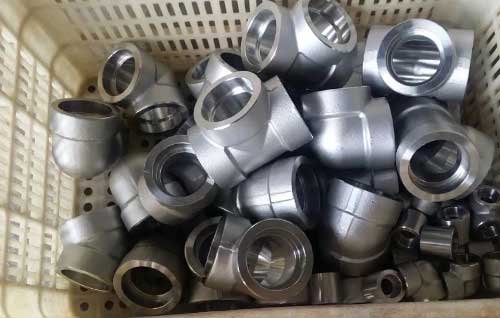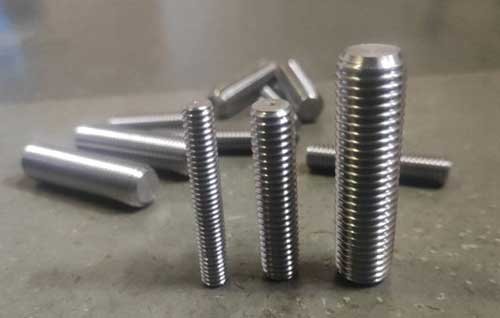
High Pressure Fittings: How to Select the Right Material for Critical Applications
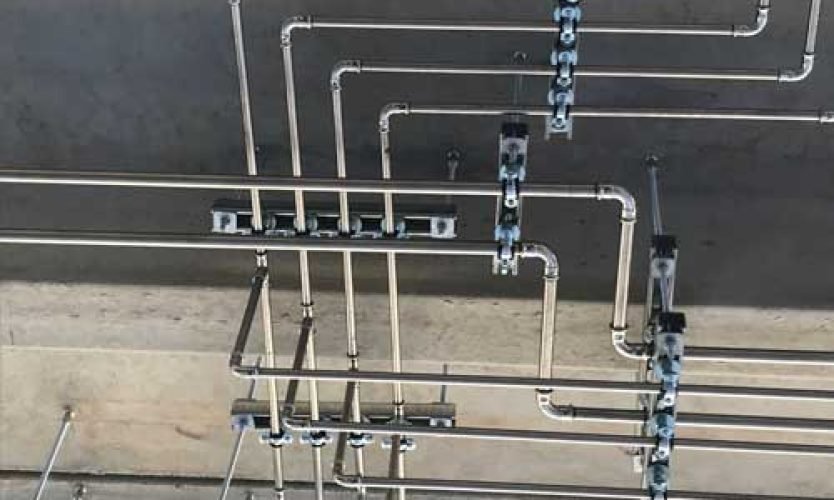
In critical industrial systems, pressure is not just a number — it is a serious engineering challenge. Whether in oil and gas plants, hydraulic systems, or chemical processing units, high-pressure environments demand components that perform without failure. Even a small weakness in a fitting can lead to leaks, system shutdowns, or safety hazards.
This is why selecting the correct material for High Pressure Fittings is essential. The right choice improves performance, enhances safety, and extends system life. However, with multiple material options available, making the correct decision requires careful evaluation.
In this guide, we will explore how to select the most suitable material for demanding high-pressure applications.
Why Material Selection Matters in High-Pressure Systems
High-pressure systems operate under intense stress. Therefore, fittings must withstand:
- Extreme internal pressure
- Temperature fluctuations
- Corrosive media
- Mechanical vibration
- Continuous operation cycles
If the material is not compatible with operating conditions, premature failure becomes likely. Consequently, selecting the right material ensures reliability and reduces long-term maintenance costs.
Key Factors to Consider When Choosing High Pressure Fittings
Material selection should never rely on price alone. Instead, evaluate performance requirements carefully.
1. Operating Pressure Rating
First, determine the maximum working pressure of your system. The material must maintain structural integrity under peak load conditions.
Some materials handle moderate pressure effectively, while others are engineered specifically for extreme applications. Therefore, always verify pressure ratings and certification standards.
2. Temperature Conditions
Pressure and temperature often increase together. As temperature rises, material strength can decrease.
Consider:
- Maximum operating temperature
- Thermal cycling frequency
- Expansion and contraction stress
Materials such as alloy steels and certain stainless grades perform better at elevated temperatures. However, each application should be assessed individually.
3. Corrosion Resistance
In many industries, pressure is not the only concern. Corrosive fluids, gases, or external environments can weaken fittings over time.
For example:
- Offshore platforms face saltwater exposure
- Chemical plants handle acids and solvents
- Refineries process aggressive hydrocarbons
Therefore, corrosion resistance is often just as important as pressure strength.
4. Compatibility with Media
Chemical compatibility is critical. Some materials react with specific fluids, leading to deterioration or contamination.
Before selecting High Pressure Fittings, confirm:
- Fluid type
- Chemical composition
- Concentration levels
- Flow velocity
Proper compatibility prevents internal damage and system failure.
5. Mechanical Strength and Fatigue Resistance
High-pressure systems frequently experience vibration and pulsation. Over time, repeated stress can cause fatigue cracking.
Materials must offer:
- High tensile strength
- Good ductility
- Fatigue resistance
- Impact toughness
This is particularly important in hydraulic and gas compression systems.
Common Materials Used for High Pressure Fittings
Different materials serve different operational needs. Let’s review some widely used options.
Carbon Steel
Carbon steel is often used in general high-pressure applications. It offers good strength at a reasonable cost.
However, it has limited corrosion resistance. Therefore, it is best suited for non-corrosive environments.
Stainless Steel
Stainless steel is a popular choice for High Pressure Fittings due to its balance of strength and corrosion resistance.
Benefits include:
- Good resistance to oxidation
- Suitable for moderate to high temperatures
- Reliable performance in many industries
It is commonly used in chemical plants and food processing systems.
Alloy Steel
Alloy steel provides enhanced strength and temperature resistance. It is often selected for:
- Power generation
- Petrochemical plants
- High-temperature steam systems
Because of its mechanical properties, it performs well in demanding pressure conditions.
Duplex and Super Duplex Steel
Duplex grades combine strength and corrosion resistance. As a result, they are ideal for offshore and marine applications.
They offer:
- Higher strength than standard stainless
- Excellent chloride resistance
- Improved fatigue performance
Nickel Alloys and Specialty Materials
In extremely aggressive environments, specialty alloys are required. These materials withstand severe corrosion and extreme temperatures.
Although they are more expensive, they provide unmatched durability in critical systems.
Industry Applications Requiring High Pressure Fittings
Selecting the right material depends heavily on the application.
Oil and Gas
High-pressure drilling and transport systems require fittings that resist pressure surges and corrosive fluids.
Hydraulic Systems
Hydraulic machinery operates under constant pressure. Therefore, fittings must maintain seal integrity under dynamic loads.
Chemical Processing
Chemical plants demand both pressure strength and corrosion resistance. Material compatibility is essential for safety.
Power Generation
Steam lines and high-temperature systems require materials capable of handling thermal stress and pressure simultaneously.
Certification and Quality Standards
In critical applications, quality cannot be compromised.
When sourcing High Pressure Fittings, ensure:
- Compliance with international standards
- Proper material test certificates
- Pressure testing documentation
- Traceability records
These documents confirm that fittings meet safety and performance requirements.
Cost vs Long-Term Reliability
While initial cost matters, it should not outweigh safety and longevity. A lower-priced material may result in higher maintenance expenses later.
Therefore, consider:
- Expected service life
- Downtime risks
- Replacement frequency
- Safety implications
In many cases, investing in higher-grade materials reduces overall operational costs.
Installation and Maintenance Best Practices
Even the best material can fail if installed incorrectly.
To ensure long-term performance:
- Follow manufacturer torque specifications
- Avoid mixing incompatible metals
- Perform pressure testing before operation
- Conduct regular inspections
Proper installation enhances the performance of High Pressure Fittings and reduces failure risks.
Conclusion
In critical industrial systems, the margin for error is extremely small. High Pressure Fittings must withstand mechanical stress, corrosion, temperature changes, and continuous operation. Therefore, selecting the correct material is not optional — it is essential.
By evaluating pressure ratings, temperature limits, chemical compatibility, and mechanical strength, you can choose fittings that deliver long-term reliability and safety.
If your project demands dependable high-pressure solutions, explore premium-grade fittings and expert guidance at PipingMaterial.sa to ensure your system performs efficiently and safely under the most demanding conditions.
Frequently Asked Questions (FAQ)
1. What material is best for high pressure fittings in corrosive environments?
Stainless steel, duplex steel, and specialty alloys are commonly used because they combine strength with corrosion resistance.
2. How do I determine the pressure rating for high pressure fittings?
You should review system operating pressure, safety factors, and manufacturer certifications to ensure compatibility.
3. Are stainless steel high pressure fittings suitable for chemical plants?
Yes, they are widely used due to their resistance to oxidation and moderate chemical exposure.
4. Why is material compatibility important in high-pressure systems?
Incompatible materials can react with fluids, weaken over time, and cause leaks or contamination.
5. How often should high pressure fittings be inspected?
Inspection frequency depends on operating conditions, but regular maintenance checks are recommended for critical systems.